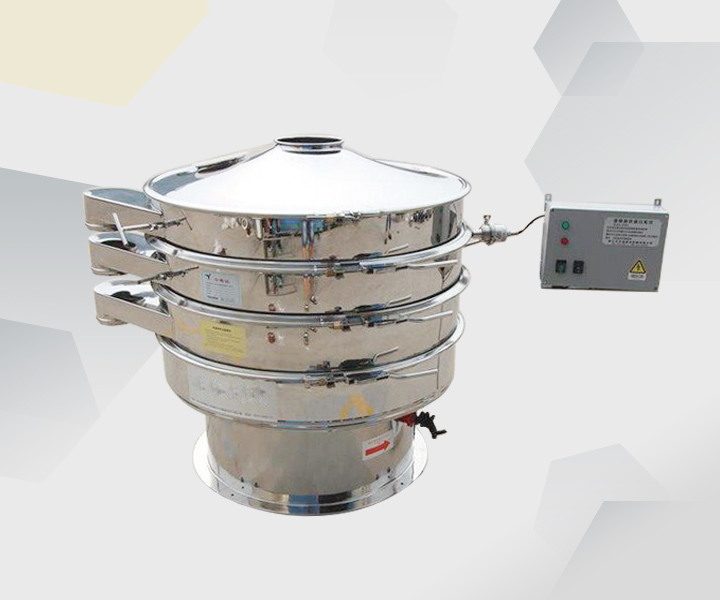
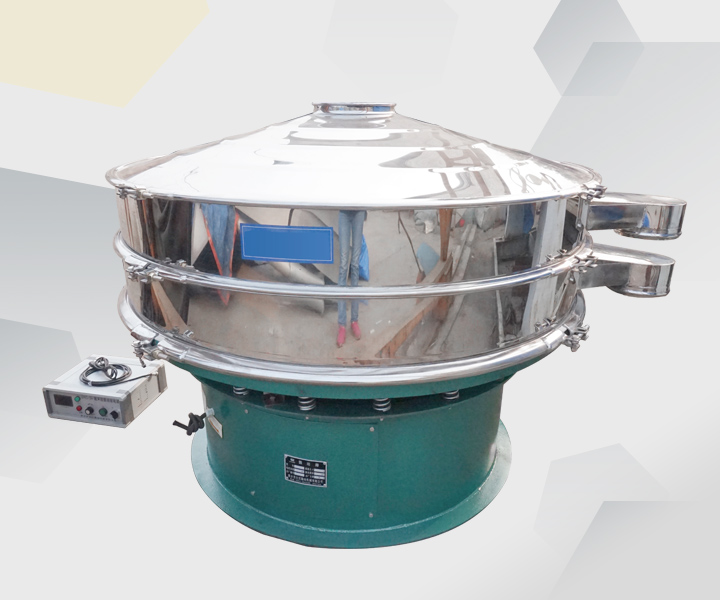
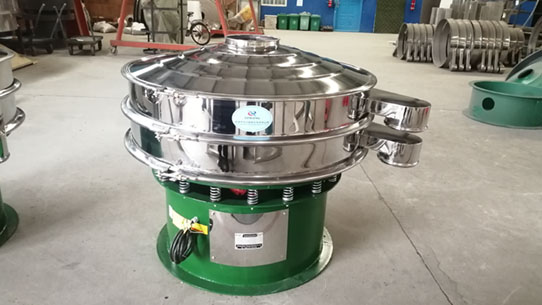
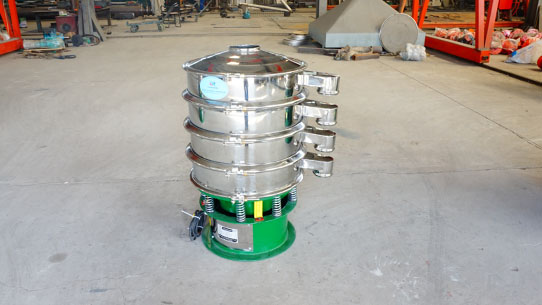
Chemical Powder Screening Machine Guide: 5 Costly Spec Mistakes to Avoid
Thursday July-09 2026 13:42:18
Based on our years of engineering experience in chemical plant procurement, investing in a chemical powder screening machine is a critical milestone for expanding production lines or upgrading product quality. However, a common pitfall for many industrial procurement managers is relying solely on basic capacity figures during the ordering stage. In the chemical processing industry, where material behaviors vary drastically, overlooking subtle technical specifications can lead to severe issues: unexpected blinding, rapid grid corrosion, or production line bottlenecks.
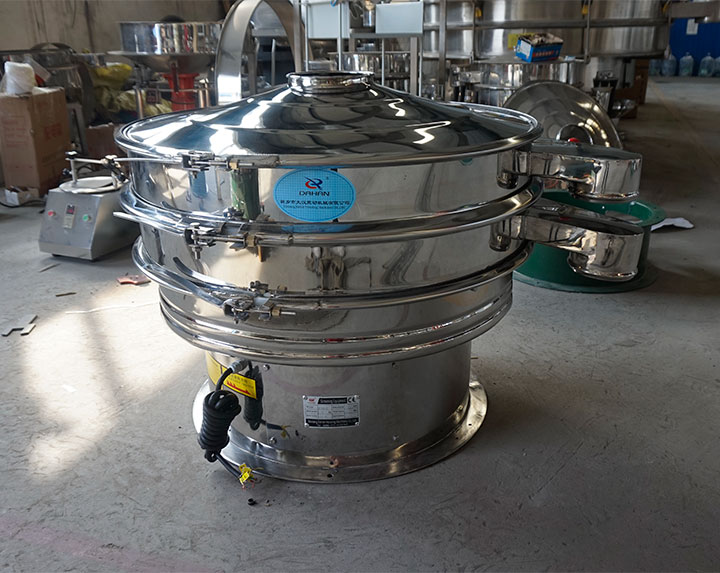
To ensure your equipment procurement aligns perfectly with your operational requirements and maximizes long-term ROI, this guide explores five costly specification mistakes commonly made during the selection of a chemical powder screening machine and provides actionable engineering advice to avoid them.
Underestimating Material Behavior: The Blind Spot of Fine Powders
A frequent oversight in procurement is specifying a screener based only on bulk density and target mesh size, while ignoring the complex physical properties of the chemical powder itself. Many chemical compounds, such as synthetic resins, pigments, or stearates, are prone to static electricity buildup, moisture absorption, or agglomeration.
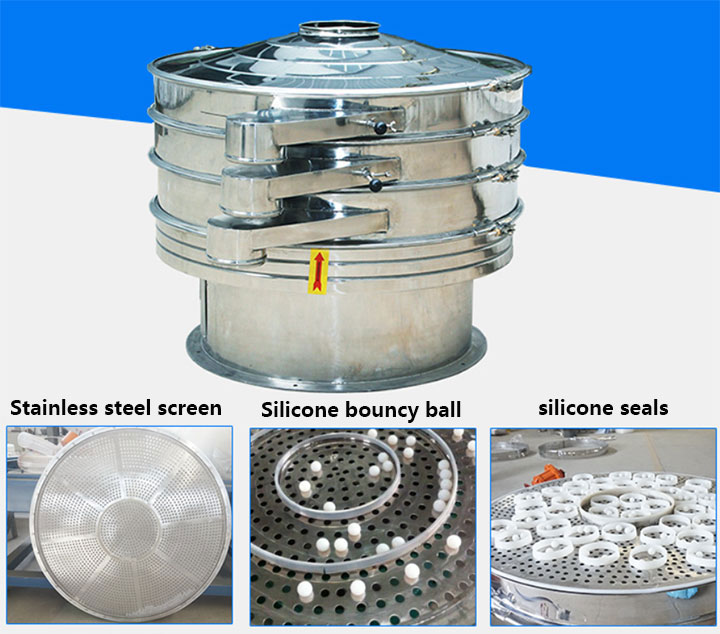
When treated on a standard rotary vibrating separator without specialized anti-blinding mechanics, these fine particles quickly wedge themselves into the screen mesh. This phenomenon, known as screen blinding, rapidly diminishes the effective screening area, causing material overflow and unexpected downtime.
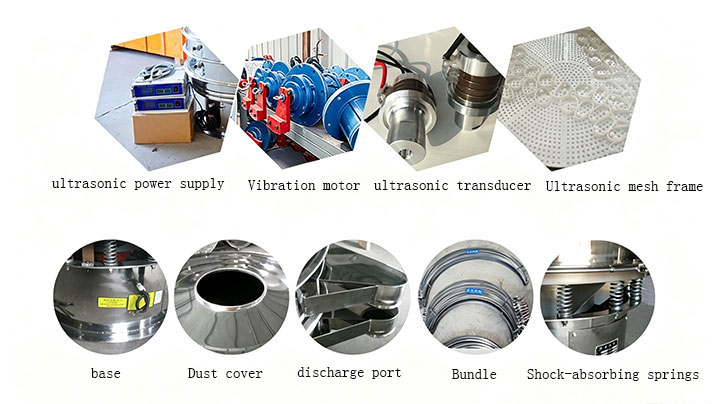
For powder processing finer than 200 mesh (74 microns), or for materials prone to static electricity, do not rely on standard mechanical bouncing balls alone. Specifying an integrated ultrasonic de-blinding system is highly recommended. Ultrasonic transducers transmit high-frequency, low-amplitude waves directly to the mesh wire, breaking surface tension and agglomeration without generating excessive frictional heat.
Operational Data Insights: Graphite Powder Screening
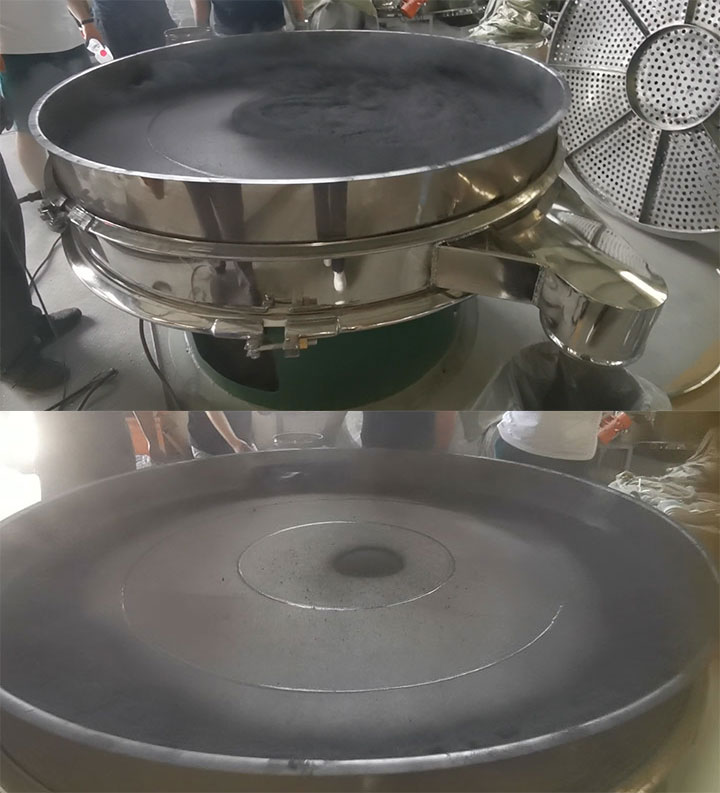
During a customized simulation for a lithium-ion battery anode material production line, a standard rotary vibrating separator struggled with 325-mesh (44 microns) ultra-fine graphite powder. Due to the powder's extremely light bulk density and high static charge buildup during friction, the particles hovered over the mesh and caused severe screen blinding within 30 minutes, leading to immediate material overflow.
By integrating an ultrasonic de-blinding system, the high-frequency, low-amplitude waves successfully neutralized the electrostatic agglomeration and forced the lightweight graphite particles to pass through the mesh efficiently. The continuous throughput stabilized at 950 kg per hour with zero mesh blinding over a 48-hour trial, demonstrating how advanced wave technology solves ultra-fine carbon material bottlenecks.
Overlooking Material Chemistry: The Material Grade Selection Error
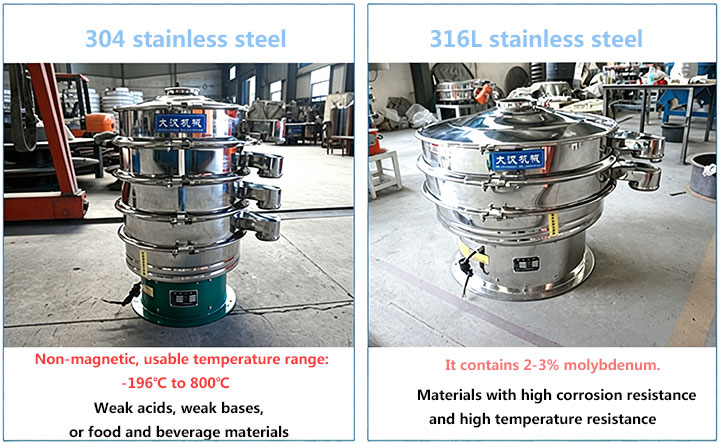
Specifying "stainless steel" is insufficient for a chemical processing environment. A regular mistake is choosing standard SUS304 for the entire machine structure to minimize initial capital expenditure, without thoroughly checking the chemical compatibility and pH values of the processed powder.
Corrosive chemicals, organic acids, or high-chloride compounds will trigger localized pitting and stress corrosion on insufficient steel grades over time. This not only shortens the service life of the machine body but also introduces microscopic metal contaminants into the final product, potentially ruining entire batches of high-purity chemicals.
Conduct a rigorous audit of the material's chemical compatibility before defining equipment specifications. For processing mildly corrosive chemicals, a product-contact surface made of SUS316L is highly advisable. Furthermore, ensure the specification details a high-quality surface finish (such as mirror polishing or specialized anti-corrosive coatings) and seamless welding with no dead zones to prevent chemical accumulation and subsequent chemical degradation.
Neglecting Environmental Safety and Dust Containment Standards
Chemical powders often carry underlying operational hazards, ranging from respiratory irritants to combustible dust risks (such as specific plastics, organic chemicals, or metallic powders). Selecting a machine without reviewing the overall sealing mechanism and electrical safety ratings poses operational risks.
A minor seal failure can cause fine chemical dust to escape into the workshop atmosphere, compromising worker safety and risking compliance penalties. Similarly, utilizing standard electrical motors in environments where airborne powder can form a combustible mixture creates an immediate safety vulnerability.
Always check that the screener features a fully enclosed structure with heavy-duty, chemically inert seals (such as silicone, EPDM, or Viton gaskets) to ensure absolute dust-tight operation. Furthermore, cross-verify the plant zone classification. If the processing environment involves explosive risks, specify explosion-proof motors and anti-static grounding components that comply with local industrial safety regulations.
Calculating Throughput Based on Motor Power Alone
Many buyers mistakenly assume that a larger motor power automatically translates to a higher processing capacity. While motor power dictates the vibrational force transmitted to the screen frame, the actual throughput of a chemical powder screening machine depends on the effective screening area and the material's retention time on the mesh.
If a machine body is too small, a high-power motor will simply cause the chemical powder to bounce violently or move off the screen deck too quickly before proper separation occurs, leading to high reject rates in the oversize discharge port.
Evaluate the equipment based on the effective screening diameter and the specific gravity of your material. Request customized simulations or testing data from the manufacturer using the exact mesh size required. For high-volume, continuous processing lines where multi-stage separation is needed, consider high-capacity circular separators with optimized weight configurations or rectangular linear vibratory screens, rather than simply upgrading the motor size on a standard model.
Ignoring Maintenance Ergonomics and Mesh Replacement Downtime
In high-throughput chemical plants, the real cost of machinery is not just the initial purchase price, but the operational downtime required for maintenance. A common mistake is selecting a traditional screen frame design that requires specialized tools and hours of manual labor to replace a torn mesh or clean the internal components during a product changeover.
In a multi-product facility, prolonged cleaning cycles lead to extended cross-contamination risks and reduced overall equipment effectiveness (OEE).
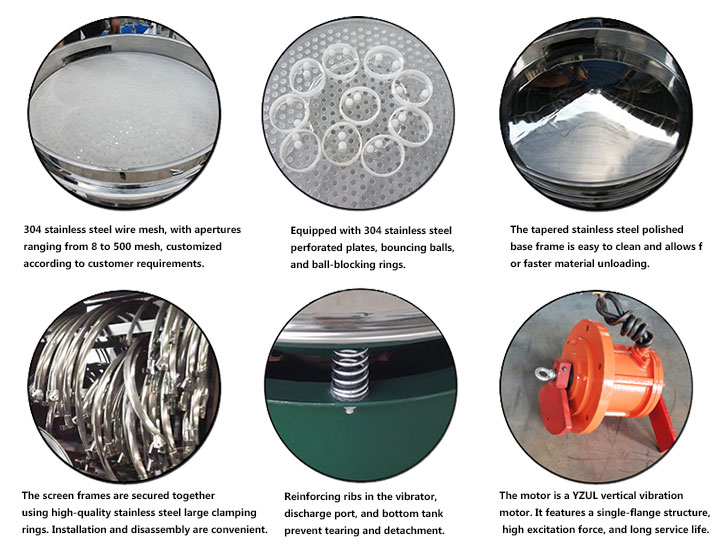
Prioritize machines engineered with maintenance ergonomics in mind. Look for features such as quick-release V-band clamps or tool-free tie-clamp systems that allow a single operator to disassemble the screen decks within minutes. Specifying an easy-to-clean design with minimal internal crevices significantly reduces product changeover times and safeguards product purity across different batches.
Key Technical Parameters for Procurement Verification
Before finalizing your technical specification sheet for a new chemical powder screening machine, verify the following parameters to ensure a smooth integration into your production facility:
| Evaluation Factor | Specification Goal |
|---|---|
| Material Characteristics | Determine if ultrasonic systems are required for sticky or fine powders (less than 74μm). |
| Chemical Compatibility | Select SUS304, SUS316L, or specialized coatings based on pH and corrosiveness. |
| Safety Compliance | Ensure dust-tight sealing and appropriate explosion-proof motor certifications. |
| Sizing Criteria | Match the required throughput with the effective screening area, not just motor power. |
| Operational Efficiency | Optimize design with quick-change screen systems to reduce maintenance downtime. |
Making the Right Investment
Selecting the right chemical powder screening machine requires a delicate balance between understanding your material's unique behavior and engineering the correct equipment specifications. By avoiding these five common procurement mistakes, you not only protect your production line from unexpected downtime but also ensure long-term operational safety and product purity.
Need Expert Guidance for Your Powder Processing Line?
If you are unsure about the exact specifications required for your chemical application, let our engineering team help. We provide complimentary material testing and customized screening simulations to ensure your equipment fits your facility perfectly.
Contact our application engineers today or request a customized technical quote to optimize your plant efficiency.