Corrosion Resistant Industrial Vibrating Screens: 316L Stainless Steel & Coated Systems
Wednesday July-22 2026 11:09:48
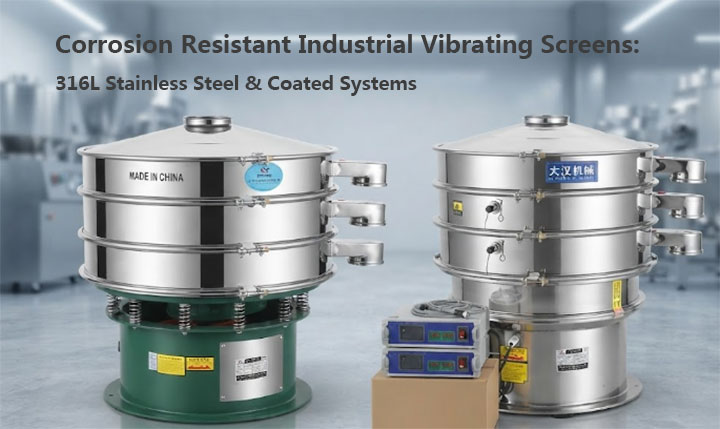
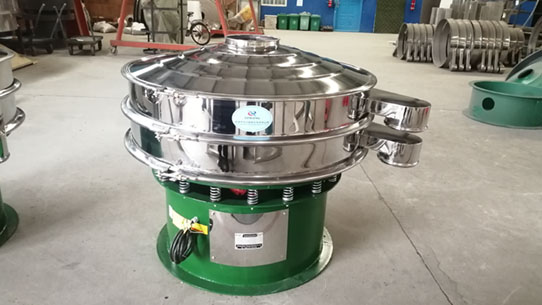
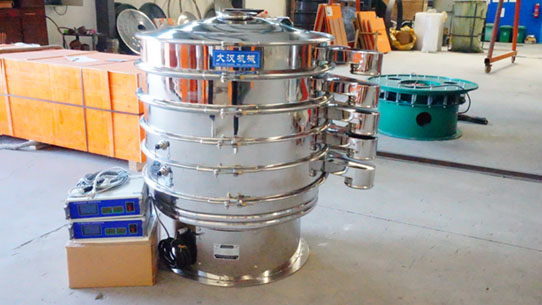
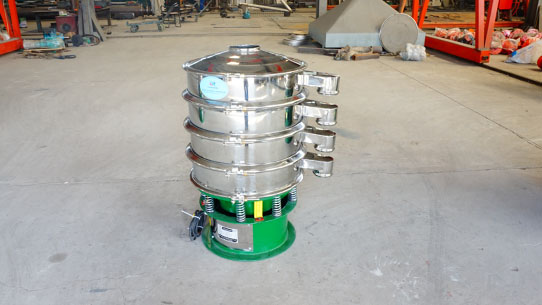
In fine chemical and pharmaceutical processing, achieving high-purity separation requires equipment that resists contamination. This series of corrosion-resistant vibratory sieve shakers is engineered for high-precision screening, utilizing 316L stainless steel to meet stringent hygiene standards and ensure material purity.
Corrosion and Wear Protection in Industrial Processing
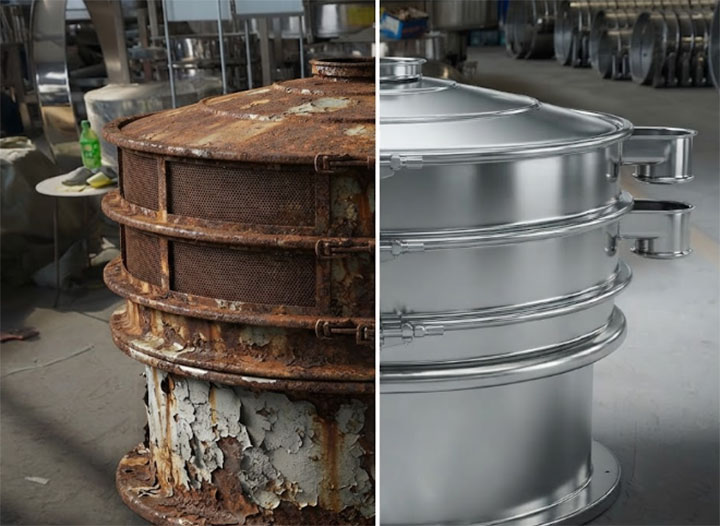
Standard screening equipment often degrades rapidly in corrosive process streams, increasing downtime and replacement costs. Corrosion and wear mitigation require an integrated engineering approach that addresses both electrochemical and physical degradation.
Our machines prioritize structural integrity, ensuring that components exposed to reagents or high-moisture bulk materials maintain their operational life cycle. By shifting from standard materials to engineered corrosion-resistant designs, industrial operators can stabilize downstream operations and minimize maintenance intervention.
Technical Specifications and Material Selection
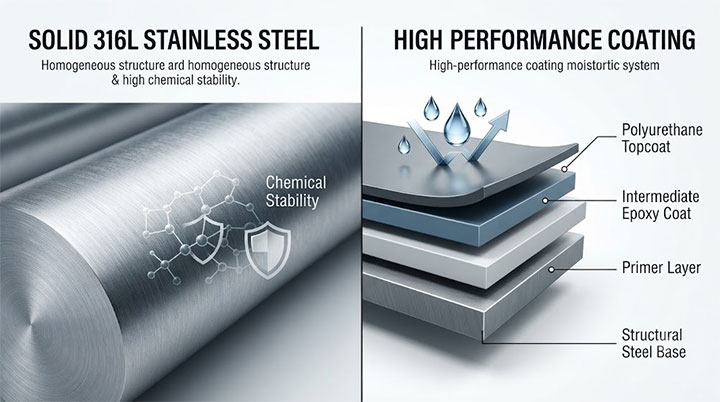
Material selection is the primary determinant of equipment longevity in corrosive environments. We offer two primary configurations tailored to your specific process medium.
| Material/Configuration | Chemical Resistance | Recommended Application |
|---|---|---|
| 316L Stainless Steel | High (Pitting/Crevice resistance) | High-chloride environments, acidic reagents |
| High-Performance Coating | Moderate (Physical barrier) | Moderate moisture, non-corrosive wet bulk materials |
316L Stainless Steel: Specified for processes where chemical stability is critical. It offers superior resistance to corrosion compared to standard 304 grade.
High-Performance Coatings: Applied through multi-stage epoxy or polyurethane systems on structural steel bases, providing a robust physical barrier against moisture.
Design Features: Sanitary Welding and Sealed Exciters
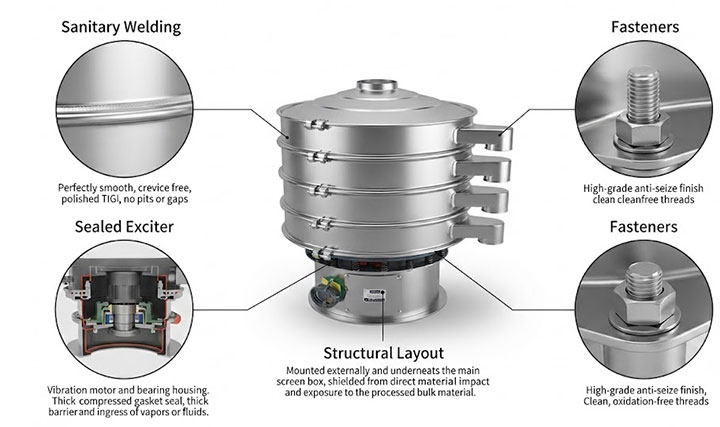
Corrosion typically initiates at connection points and internal cavities. Our design protocols focus on addressing these vulnerability points:
- Sanitary Welding: All joints are processed to minimize crevices where corrosive substances can accumulate.
- Sealed Exciter Assemblies: Gasketed housing designs prevent the ingress of corrosive vapors or fluids into the vibration motor and bearing housings.
- Chemical-Resistant Elastomers: Sealing rings and isolation buffers are selected based on the pH level of the processed material to prevent degradation.
- Structural Layout: Vibration motors are mounted on the bottom of the screen box, ensuring they are shielded from material impact and direct exposure.
- Standardized Hardware: All structural fasteners are specified in stainless steel to prevent seizing and oxidation at critical mounting points.
Industrial Applications and Process Compatibility
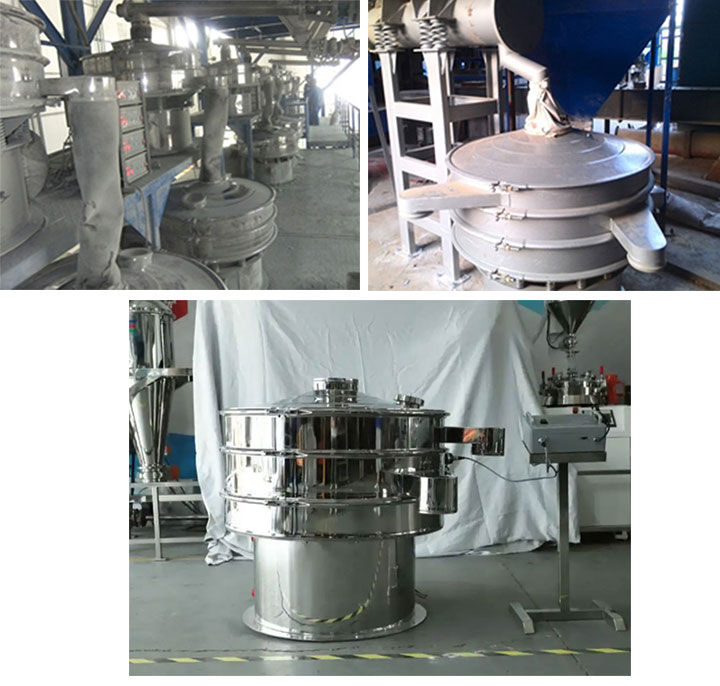
These configurations are engineered for processes where equipment failure directly impacts downstream operations. Our systems are optimized for:
- Pharmaceutical Processing: Screening API powders and medicinal ingredients.
- Fine Chemical Industry: Removing impurities from high-purity chemical powders.
- Food & Beverage Additives: Ensuring consistent particle size while meeting food-grade safety standards.
Frequently Asked Questions
How do I select between stainless steel and coated configurations?
The decision is based on the chemical nature and pH of the medium. We recommend providing a Material Safety Data Sheet (MSDS) to our engineering team for a formal specification audit.
Does the anti-corrosive coating affect vibration efficiency?
No. The coating layers are applied within calculated thickness tolerances that do not dampen the amplitude or affect the screen’s kinematic efficiency.
What is the lead time for stainless steel units?
Lead times for custom stainless units typically range from 4 to 6 weeks, depending on the required surface finish and complexity.
What critical questions should I ask when consulting with a potential manufacturer?
When evaluating a manufacturer for corrosion-resistant equipment, you should prioritize technical transparency:
- Material Certification: Can you provide metallurgical reports or origin documentation for the 316L stainless steel used?
- Welding Standards: Do you perform full-penetration welding, and is there a post-weld passivation process to ensure corrosion resistance?
- Sealing Integrity: How do you guarantee the seal of the exciter housing in high-humidity or vapor-intensive environments?
- Performance Verification: Can you provide test data or case studies for material streams similar to my specific pH and viscosity levels?
Request a Material Test and Engineering Consultation
To determine the most appropriate technical configuration for your facility, we invite you to consult with our engineering team. We offer professional laboratory evaluation for complex material streams.
- Process Medium: (e.g., Slurry, chemical powder, wastewater)
- Operational pH Range:
- Required Throughput (TPH):
- Temperature Requirements:
Note: We encourage users to mail physical product samples for laboratory testing to ensure the most accurate equipment matching.