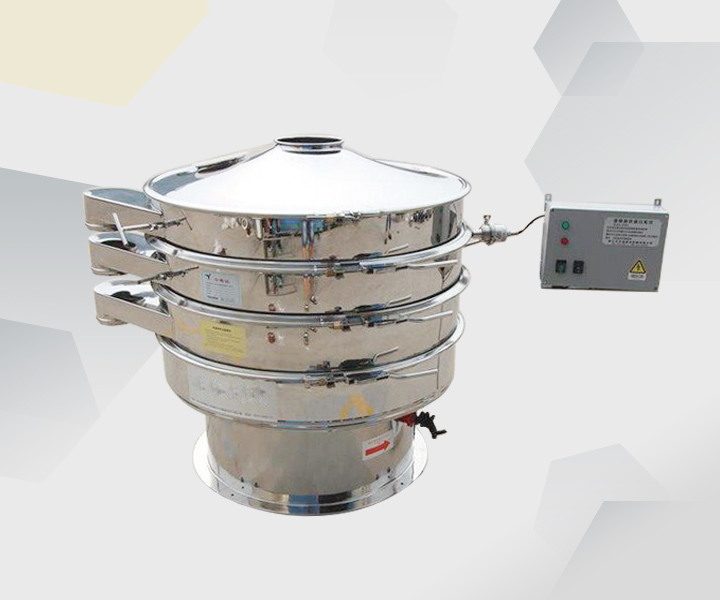
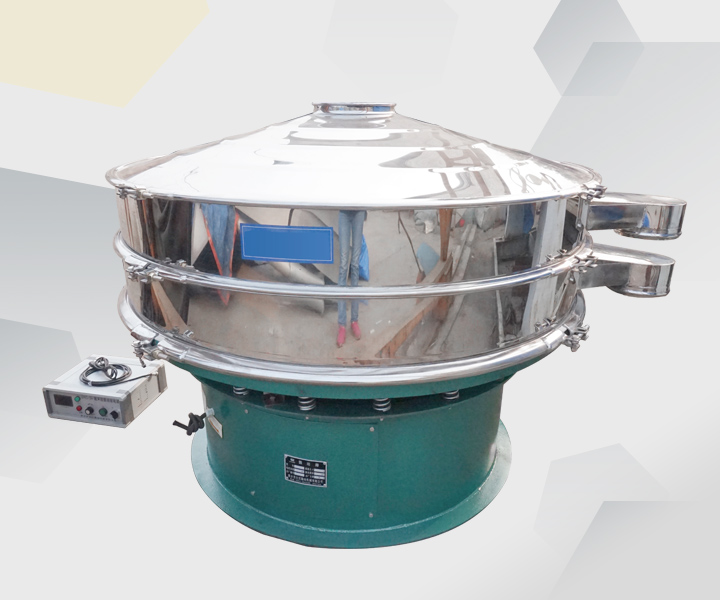
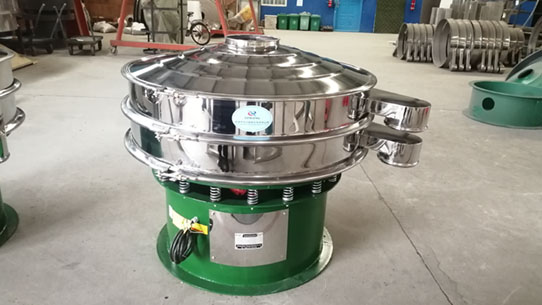
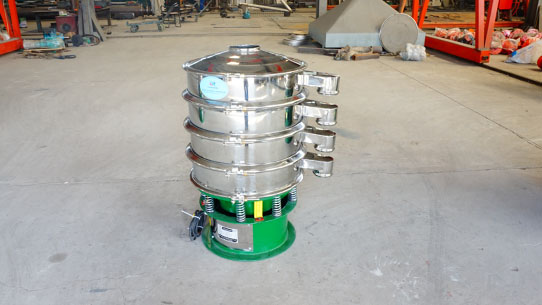
Food Processing Vibrating Screen Selection: 5 Critical Factors for Buyers
Saturday July-25 2026 09:49:59
For food processing plants, choosing the right food-grade vibrating screen is crucial for improving production efficiency and ensuring compliance.To help procurement managers and production engineers navigate this complex process, this guide outlines five critical factors to evaluate when investing in a food processing vibrating screen.
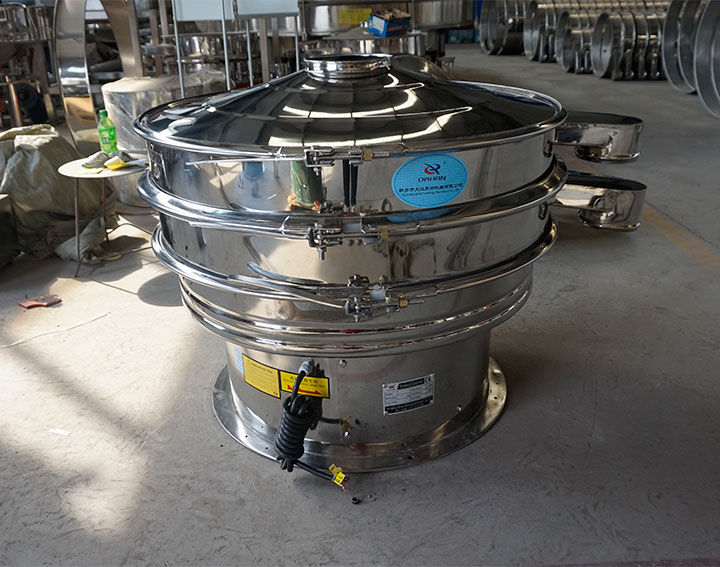
Material Grade and Surface Finish Compliance
The foremost consideration for any food contact equipment is the quality of its construction materials. In the food industry, standard carbon steel or low-grade stainless steel is generally avoided due to potential corrosion and contamination risks.
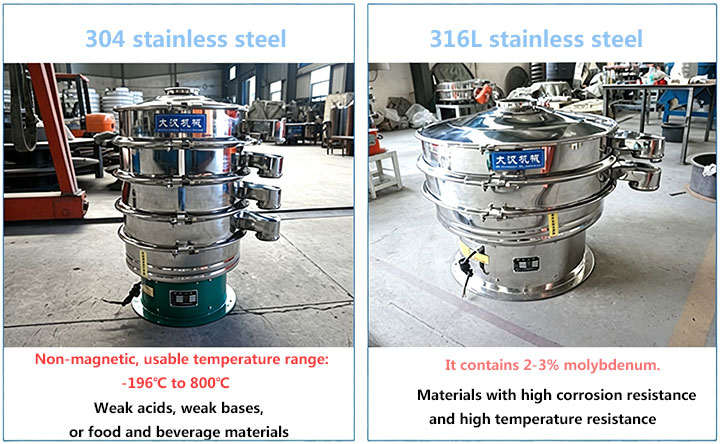
304 Stainless Steel: Suitable for dry, non-corrosive ingredients such as raw flour, wheat grains, and granulated sugar.
316L Stainless Steel: Highly recommended for corrosive, high-salinity, or acidic environments, such as sea salt processing, soy sauce slurry, or dairy whey powder filtration.
Beyond the material type, evaluating the surface roughness (Ra) is highly beneficial. High-quality food processing vibrating screens utilize mirror polishing on all contact surfaces, aiming for a roughness of Ra < 0.8 μm. This smooth finish helps prevent micro-particles from adhering to the metal, drastically reducing the risk of bacterial growth during extended production runs.
Pro Tip from Engineers:
Always request a certified surface roughness report. Budget suppliers claim "food-grade," but if the welds exceed Ra 0.8 μm, microscopic food particles will trap and breed bacteria like Salmonella over time.
Sanitary Design and Gasket Integrity
A reliable food-grade rotary screen typically features a crevice-free design. Standard industrial weld joints can sometimes leave microscopic gaps where organic materials might lodge and decay. To ensure regulatory compliance and zero bacterial harborages, prioritize machinery engineered with continuous, fully ground, and seamless welds.
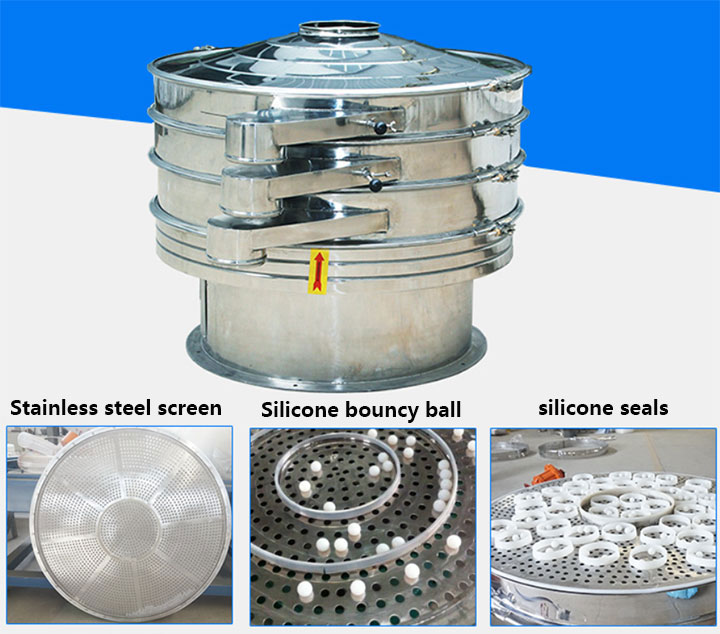
Furthermore, the sealing components—such as O-rings, gaskets, and flexible connectors—should ideally be fabricated from FDA-compliant food-grade materials (typically food-grade silicone, EPDM, or PTFE). These materials are chosen for their ability to resist degradation from both the processed foodstuffs and the aggressive chemical agents used during sanitation cycles. Seals that degrade prematurely can shed particulate matter into the product stream, leading to unexpected quality issues.
Pro Tip from Engineers:
Specify metal-detectable silicone or EPDM gaskets. If a seal chips due to high-frequency vibration, fragments will be instantly caught by downstream detectors, preventing a costly product recall.
Cleanability and CIP (Clean-in-Place) Compatibility
Frequent product changeovers and daily sanitation routines are standard in modern food plants to prevent cross-contamination. Therefore, a food processing vibrating screen is ideally engineered for easy maintenance and thorough cleaning to help control labor costs and minimize production bottlenecks.
Depending on your production requirements, the machinery should support one of the primary industry cleaning methodologies:
| Cleaning Methodology | Required Mechanical Design | Typical Food Applications |
|---|---|---|
| COP (Clean-Out-of-Place) | Quick-release toggle clamps for tool-free, rapid disassembly within minutes. | Bakery premixes, spice blendings, infant formulas, and dry powder lines. |
| CIP (Clean-in-Place) | Integrated internal spray balls, liquid-tight covers, and specialized drainage ports. | Fruit juice clarification, starch slurry, dairy whey filtration, and liquids. |
Opting for a machine utilizing a quick-release clamp assembly allows operators to strip down the screen decks for visual inspection and manual sanitization without requiring specialized maintenance tools, significantly reducing turnaround time.
Pro Tip from Engineers:
For frequent flavor changes, prioritize tool-free toggle clamps over bolted covers. Reducing screen disassembly time from 45 to 5 minutes saves over 150 hours of plant downtime annually.
Processing Capacity and Mesh Blinding Mitigation
A screening system needs to reliably handle the maximum volumetric flow rate of the production line without becoming a bottleneck. When specifying your requirements, it is practical to calculate the targeted capacity in kilograms or tons per hour based on your densest material variant.
Many food powders, particularly high-fat or hygroscopic materials like cocoa powder, sugar powder, and starch, are prone to mesh blinding (clogging). To maintain a consistent processing throughput, checking if the equipment supports effective mesh-cleaning mechanisms is highly recommended:
Mechanical Bouncing Balls: Food-grade rubber or silicone balls bounce against the underside of the mesh to dislodge near-size particles. This remains a reliable, cost-effective solution for most dry powders.
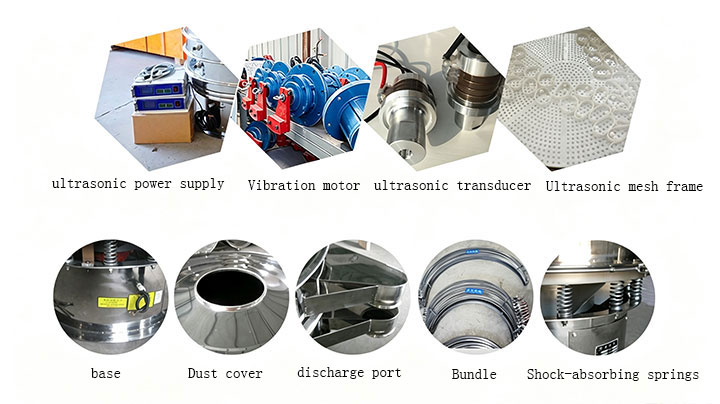
Ultrasonic Deblinding Systems: This setup applies a high-frequency ultrasonic vibration directly to the screen wire.This technology helps eliminate static friction and blinding in ultra-fine powders (under 200 mesh) without causing mechanical wear to fragile mesh screens.
Buyer's Guide for Mesh Choice: > For ultra-fine powders (above 200 mesh), it is highly recommended to specify Ultrasonic Deblinding Systems rather than mechanical bouncing balls. Bouncing balls can wear down over time, risking micro-rubber particulate contamination in your pure food stream.
Pro Tip from Engineers:
For electrostatic or fatty powders under 200 mesh, ultrasonic deblinding is non-negotiable. Mechanical bouncing balls cannot break static bonds and will prematurely stretch or sag fragile, fine-wire meshes.
Operational Safety and Environmental Control
The final consideration addresses the operational environment surrounding the installation site. Fine organic dust (such as flour or sugar dust) suspended in an enclosed workspace can present a dust explosion risk. Consequently, selecting a food processing vibrating screen with a dust-tight, completely sealed enclosure helps contain airborne particulates effectively and maintains a safe factory environment.
Additionally, paying close attention to industrial workplace safety metrics, specifically the operational noise level, is always a wise practice. Traditional industrial separators can emit high-decibel vibrations. Modern sifters engineered with high-quality polyurethane springs or advanced vibration-damping mounts keep operational noise levels well below 75-80 dB, protecting operators and supporting compliance with local workplace health mandates.
Investing in a high-performance food processing vibrating screen involves balancing mechanical processing capabilities with rigorous sanitary compliance. By thoroughly auditing material grades, internal weld finishes, cleanability protocols, anti-blinding options, and safety sealing, engineering teams can secure an optimal processing solution that supports long-term operational reliability and consistent product purity.