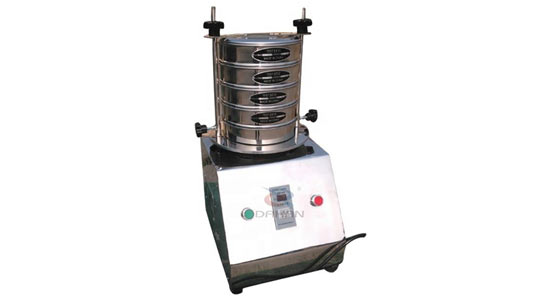
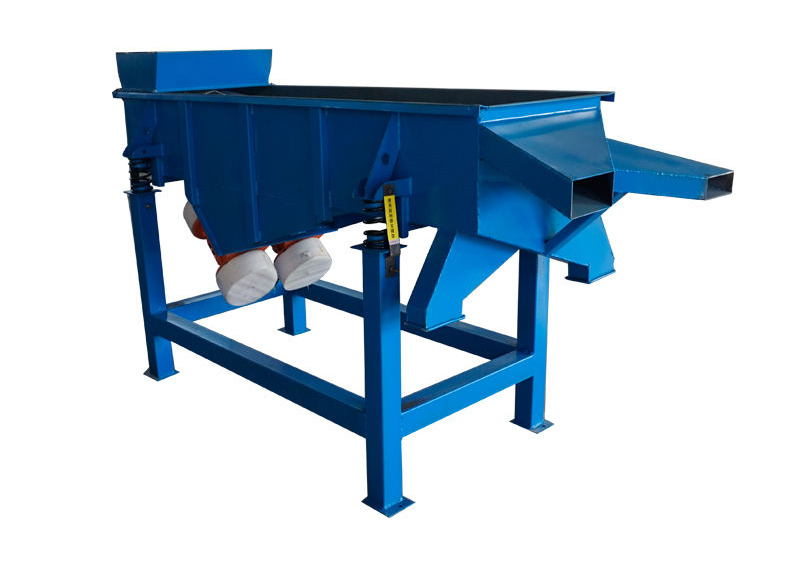
How to Choose the Right Industrial Screening Machine for Your Processing Plant to Maximize ROI
Friday July-10 2026 15:19:06
Choosing the wrong industrial screening machine does more than slow down production—it directly erodes your bottom line through frequent downtime, premature wire mesh wear, and compromised product purity.Fortunately, maximizing a processing plant's ROI is achievable when equipment selection is guided by precise technical parameters and real-world material behaviors, rather than guesswork.
This guide breaks down the essential technical variables to consider when selecting the most efficient screening system for your operations.
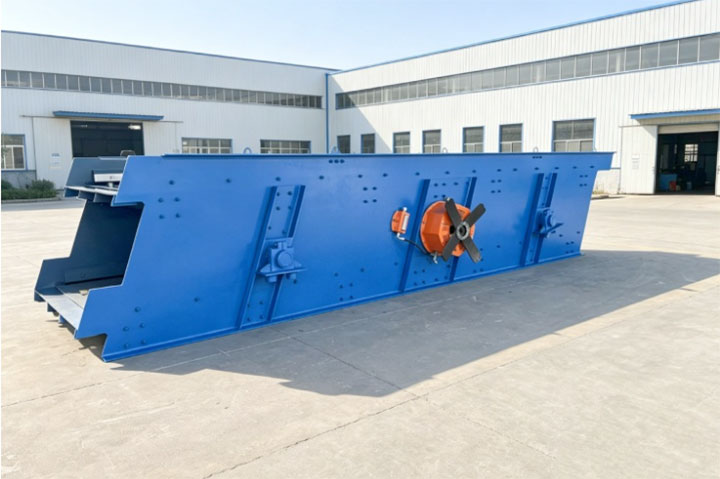
Understand Your Material Characteristics: The Foundation of Screen Selection
Before comparing machine models or output tonnages, evaluating the exact physical properties of your feed material is a crucial first step. Material characteristics dictate whether a project requires a high-impact kinetic screening action or a gentle, rotary separation method.
Material Hardness and Abrasiveness
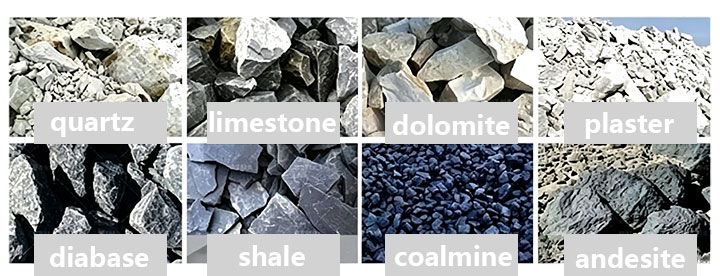
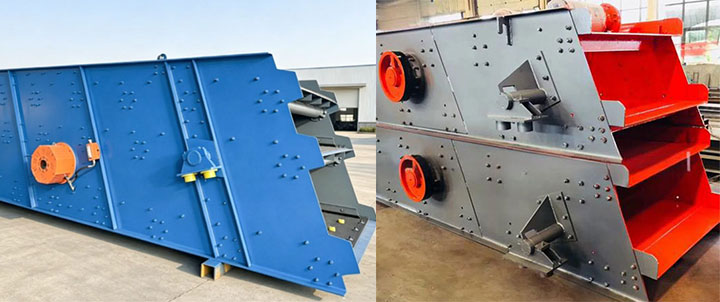
When a plant processes hard, highly abrasive materials like crushed granite, river gravel, limestone, or iron ore, the equipment needs to withstand severe impact. For these heavy-duty applications, a circular vibrating screen is typically the standard industry choice. Its circular motion lifts and tumbles the material, allowing heavy rocks to bounce along the screen deck, which significantly reduces the risk of sharp particles getting wedged in the mesh.
Moisture Content and Cohesiveness
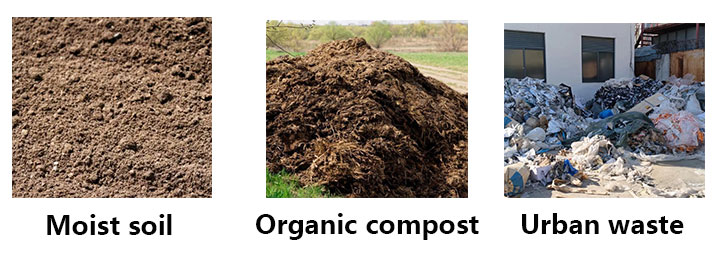
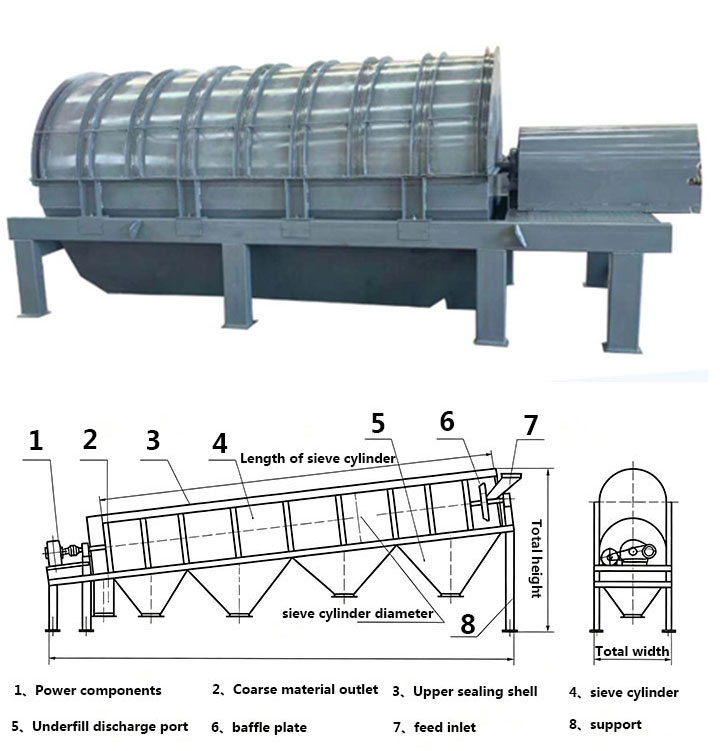
Sticky, wet, or clay-heavy materials are often challenging for standard vibrating screens, sometimes leading to a costly phenomenon known as "blinding" or clogging. If your feed consists of damp topsoil, organic compost, municipal solid waste, or clay-rich sand, a trommel screen (rotary screen) tends to be far more effective. The tumbling action inside a rotary drum naturally breaks up cohesive bonds. Furthermore, utilizing a shaftless trommel design substantially reduces the risk of long, fibrous materials wrapping around a central shaft and stalling production.
Throughput vs. Motor Power: Optimizing Your Operational Costs
Achieving a high return on investment (ROI) relies heavily on balancing processing capacity with daily utility costs. In large-scale operations, energy consumption is a continuous expense that can impact a plant's profitability over time. Therefore, evaluating the correlation between a machine's throughput (tons per hour) and its motor power rating (kilowatts) is essential during the selection process.
High-Efficiency Tonnage matching
Many processing plants make the mistake of over-specifying motor power, assuming higher kilowatts always translate to better results. However, modern engineering designs allow certain equipment types to deliver high tonnage with low energy demands. For instance, high-capacity rotary trommel screens utilize gravitational forces and rotational inertia rather than high-frequency vibrations to separate materials.
The Impact on Long-Term ROI
When analyzing technical specifications, selecting a well-engineered configuration can yield operational savings. For example, standard high-volume trommel designs in the industry can achieve a throughput of up to 800 tons per hour (t/h) while requiring only a 30 kW motor. Compared to high-power alternatives that might demand double the energy for similar volumes, this balance between motor power and output directly minimizes electricity consumption, lowering the overall cost per ton of processed material.
To contextualize these operational metrics, the technical reference table below illustrates the correlation between processing capacity, power distribution, and material compatibility across standard heavy-duty configurations:
| Equipment Type | Model | Throughput Capacity (t/h) | Motor Power (kW) | Max Feed Size (mm) | Output Size Range (mm) | Best Suited Applications & Material Scenarios |
|---|---|---|---|---|---|---|
| Circular Vibrating Screen (Single Deck) | YK1230 | 220 | 7.5 | ≤ 200 | 3 – 50 | Hard, highly abrasive rocks (e.g., granite, basalt, river gravel) |
| Circular Vibrating Screen (Double Deck) | 2YK1230 | 220 | 11 | ≤ 200 | 3 – 50 | Multi-fraction aggregate sorting and precise sizing |
| Rotary Trommel Screen (Shafted/Shaftless) | GTS1225 | 160 | 5.5 | ≤ 300 | 0 – 100 | Mid-capacity processing of damp topsoil, compost, and sand |
| Heavy-Duty Vibrating Screen (Double Deck) | 2YK2060 | 550 | 30 | ≤ 400 | 6 – 100 | High-tonnage quarrying, mining scalping, and coarse sorting |
| High-Volume Trommel Screen (Shaftless Design) | GTS2265 | 800 | 30 | ≤ 400 | 0 – 100 | Municipal solid waste, organic recycling, and high-capacity sticky aggregates |
Single vs. Multi-Deck Screens: Choosing the Right Configuration
Another primary factor in maximizing plant efficiency is determining the number of screen decks required for the operation. The choice between a single-deck and a multi-deck system depends on the variety of end-product sizes needed and the available footprint within the processing line.
Single-Deck Configuration for Targeted Processing
Single-deck screening machines feature one layer of screen media, creating two distinct material fractions: the oversize material that remains on top and the undersize material that passes through. This setup is appropriate for simple pre-screening tasks, such as removing large boulders before a primary crusher, or for dedicated scalping operations where only one specific product size is required. It offers straightforward maintenance but limits the output to a single separation step.
Multi-Deck Systems for Diversified Output
When a processing plant needs to separate material into multiple precise size categories simultaneously, multi-deck configurations—such as double-deck (2YK) vibrating screens—become necessary. Engineering parameters show that a double-deck screen can maintain the same processing capacity as its single-deck counterpart (for example, achieving 220 t/h in standard mid-sized models) while utilizing the same floor space. By stacking screen faces with decreasing mesh openings, a single machine can sort feed material into three distinct product sizes in one continuous pass, assisting plants in meeting diverse market specifications without increasing the structural footprint.
Maintenance and Lifetime Cost: The True Measure of ROI
The purchase price of an industrial screening machine represents only a fraction of its total cost of ownership. Long-term ROI depends heavily on predictable maintenance schedules, the durability of wear parts, and the mitigation of unscheduled downtime. For processing plants, an idle production line due to equipment failure introduces severe cost overruns that can impact seasonal profitability.
Reducing Wear and Clogging Through Structural Design
Mechanical wear is an inevitable variable in material processing, but equipment configuration alters how frequently components require attention. For instance, in facilities handling municipal waste, compost, or sticky aggregates, traditional screening shafts are prone to material accumulation, which leads to bearing strain and cleaning stops. Transitioning to a shaftless trommel design minimizes the area available for material accumulation by omitting the central axis, thereby reducing the frequency of manual interventions and supporting the operational lifespan of the internal components.
Screen Media Selection and Replaceability
The choice of screen media—whether high-manganese woven wire, polyurethane, or rubber—influences both screening accuracy and maintenance intervals. While heavy-duty circular vibrating screens face continuous abrasive forces from large rocks, choosing modular, replaceable screen panels allows operators to service specific high-wear zones rather than the entire deck. This targeted maintenance approach helps stabilize lifetime operational costs and assists the machine in maintaining acceptable performance levels over years of service.
Final Summary: Aligning Machine Specifications with Plant Goals
Selecting an industrial screening machine extends far beyond comparing upfront equipment prices. Optimizing a processing plant's ROI requires a balanced evaluation of operational parameters and long-term maintenance variables. By closely aligning machine specifications with the precise technical needs of your production line, plants can support a stable, cost-effective, and reliable processing environment.
Looking to optimize your plant’s throughput and lifetime ROI? Our engineering team provides complimentary technical assessments tailored to your specific material type, feeding size, and capacity goals. [Contact our experts today] to request a detailed equipment proposal, customized deck layout drawings, or a competitive factory quote for your upcoming project.