How to Clean Bouncing Balls & Ultrasonic Rings in Food Vibrating Screens (SOP)
Wednesday July-29 2026 15:43:38
To sanitize anti-blinding components in food vibrating screens, soak bouncing balls in a 50–60°C mild alkaline solution and sanitize with 200 ppm peracetic acid or autoclaving (silicone only; max 60°C for polyurethane). Clean ultrasonic rings and transducer housings by hand-wiping with 70% isopropyl alcohol wipes—never submerge transducers or cable joints in liquid.
Why Anti-Blinding Parts Trap Bacteria
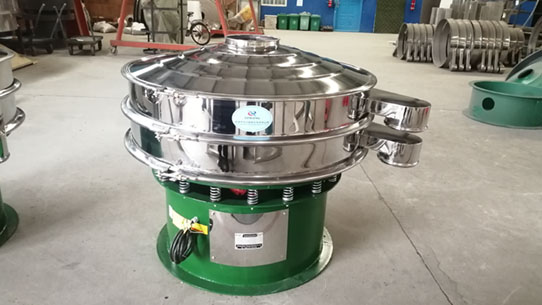
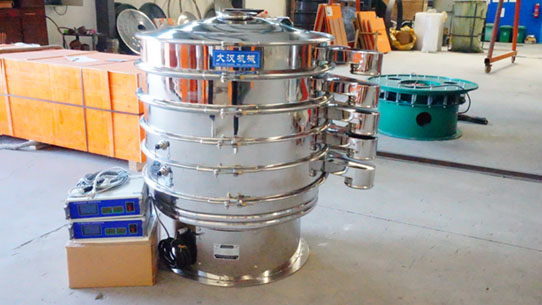
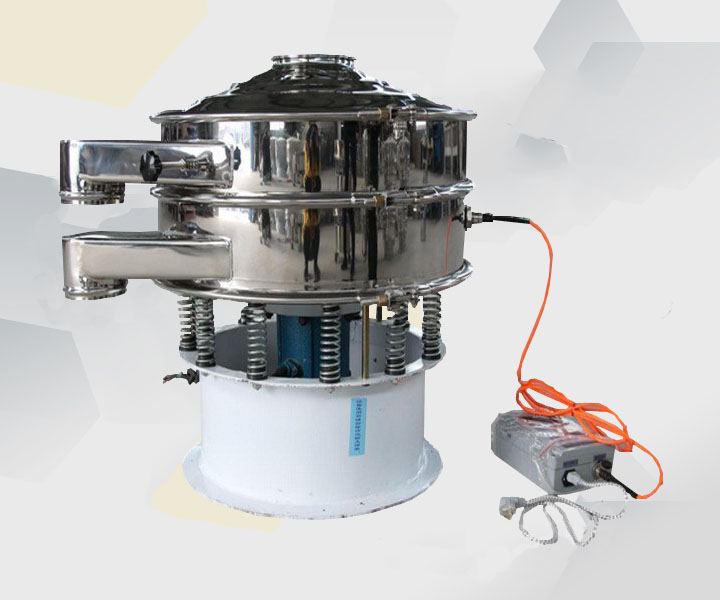
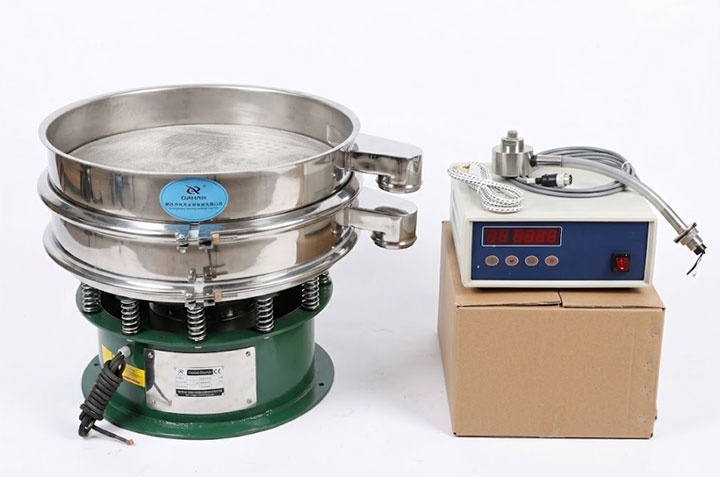
While the primary screen mesh on a food vibrating screen is easy to clean, the underlying bouncing ball trays and ultrasonic mounts create distinct hygiene risks. During screening, fine food powders combine with ambient humidity, forcing organic residue into mechanical dead zones beneath the screen deck. Three primary mechanisms lead to residue buildup and potential bacterial growth:
Surface Wear on Bouncing Balls: Repeated impact creates micro-cracks and surface pitting on silicone and polyurethane balls. Fine starch and protein particles lodge inside these wear grooves, where standard Clean-in-Place (CIP) wash cycles cannot dislodge them.
Gasket and Tray Interfaces: Powder and moisture settle into the tight seams where ball tray support grids meet elastomeric gaskets, creating stagnant pockets prone to harboring Listeria and Salmonella.
Ultrasonic Threaded Connections: Fine dust aerosol penetrates the threaded stud between the transducer and the resonant ring. Uncleaned powder in these threads combines with moisture, leading to ATP swab test failures (>10 RLU).
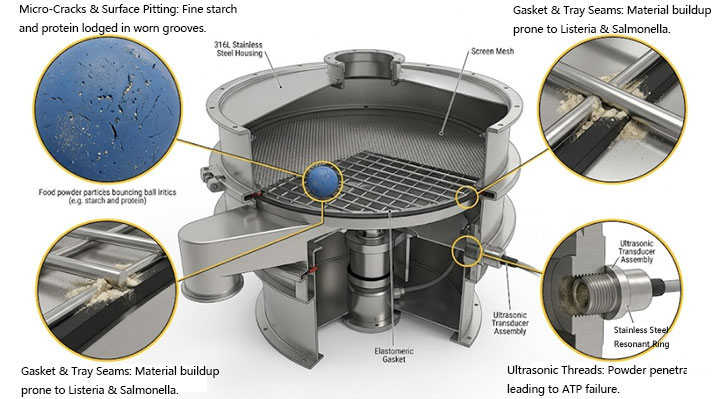
Without regular Clean-Out-of-Place (COP) disassembly, these hardware interfaces trap organic matter that risks batch contamination.
Material & Temperature Limits Matrix
Selecting the correct cleaning method requires knowing the thermal and chemical limits of each component. Using incompatible wash temperatures or chemicals degrades elastomeric seals and damages ultrasonic transducers.
| Component / Material | Max Operating Temp | Max Wash Temp | Recommended Sanitizer | Sanitization Method / Key Limit |
|---|---|---|---|---|
| FDA Silicone Balls | 230°C (446°F) | 121°C (250°F) | Peracetic Acid (200 ppm) / Quat | Autoclave compatible. High resistance to acid, alkali, and thermal degradation. |
| FDA Polyurethane (PU) Balls | 80°C (176°F) | 60°C (140°F) | Mild Alkaline / Alcohol wipes | Do NOT steam-sterilize or autoclave. High water temperatures cause hydrolysis, rendering PU sticky and brittle. |
| Metal-Detectable Silicone | 200°C (392°F) | 121°C (250°F) | Peracetic Acid (200 ppm) / Chlorine | Autoclave compatible. Contains magnetic additives for downstream X-ray/metal detector inspection. |
| 316L Stainless Ultrasonic Ring | 150°C (302°F) | 90°C (194°F) | Caustic Wash (1–2%) / Acid Rinse | COP soak or manual wipe. Mirror polished (Ra ≤ 0.4 μm) to prevent bacteria adhesion. |
| Ultrasonic Transducer Housing | 50°C (122°F) | N/A (Manual only) | 70% Isopropyl Alcohol (IPA) | Manual wipe-down ONLY. Never submerge in water or expose to high-pressure washdown hoses. |
Step-by-Step Cleaning SOP
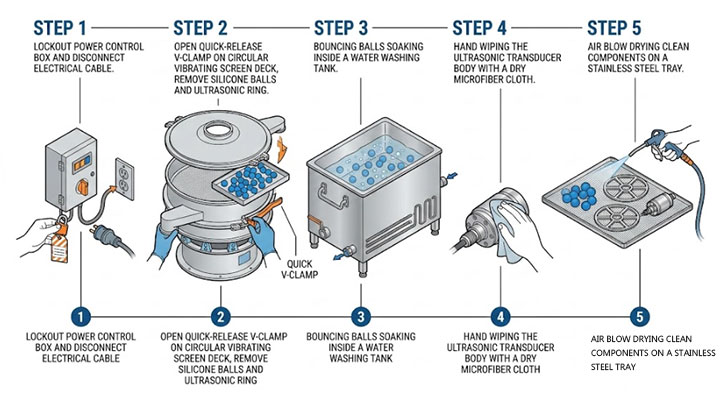
Follow this standard operating procedure (SOP) to clean and sanitize bouncing ball trays and ultrasonic resonant assemblies without damaging components:Power Isolation: Lock out the motor and disconnect the ultrasonic generator cable before unclamping.
Disassembly & Dry Removal: Release quick-release clamps, remove bouncing balls and ultrasonic rings, and vacuum dry powder.
Ball Washing (COP): Soak silicone or PU balls in a 50–60°C alkaline bath for 15 minutes, scrub, and rinse with purified water.
Ring & Transducer Wipe-Down: Hand-wipe stainless steel rings; wipe transducer housings strictly with 70% IPA. Never submerge in liquid.
Sanitization & Drying: Sanitize balls with 200 ppm PAA or autoclave (silicone only). Blow-dry all components with oil-free air before reassembly.
3 Mistakes That Destroy Transducers
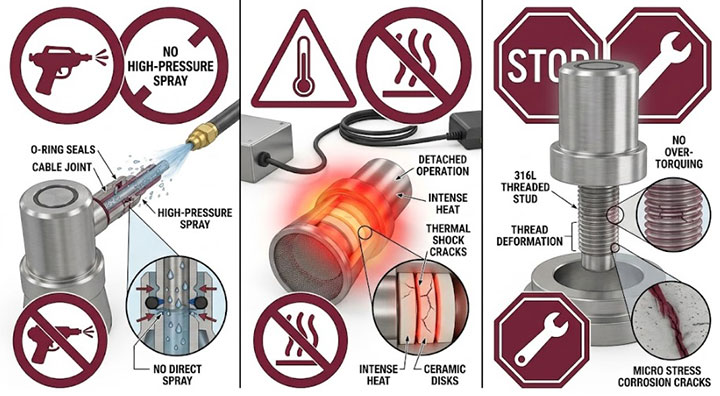
Ultrasonic transducers contain delicate piezoelectric crystals that convert high-frequency electrical signals into mechanical vibrations. Standard washdown mistakes frequently cause internal short circuits or mechanical fractures in these units:
Direct Fluid Submersion or High-Pressure Spraying: Submerging the transducer or spraying it directly with high-pressure washdown hoses forces liquid past the O-ring seals and cable entry threads. Moisture inside the casing causes immediate electrical shorting and permanent piezoelectric crystal failure.
Operating the Ultrasonic System Without Load (Dry Running): Energizing the generator while the transducer is detached from the screen frame or resonant ring prevents vibrational energy dissipation. The accumulated heat rapidly thermal-shocks and cracks the internal ceramic disks. Always disconnect generator power before disassembly.
Over-Torquing the Stud Joint or Using Corrosive Solvents: Applying excessive torque during reassembly strips the 316L threaded stud, distorting the acoustic contact face. Additionally, cleaning metal contact faces with aggressive chlorine-based solvents causes stress-corrosion cracking along the acoustic coupling joint.
Proactive Maintenance Best Practices
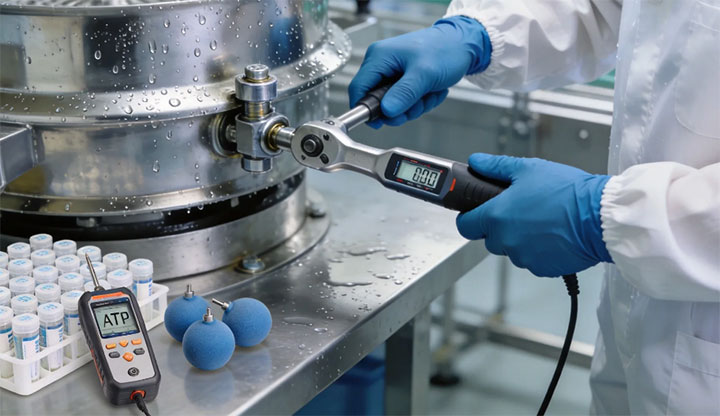
Daily Inspection & Swab Checks: Inspect bouncing balls for micro-cracks before each shift. Run ATP swabs on tray seams and transducer threads (<10 RLU).
Scheduled Parts Replacement: Replace balls showing surface pitting or >5% size reduction. Set fixed replacement intervals based on material abrasiveness.
Torque & Seal Control: Reattach transducers using a calibrated torque wrench to exact OEM specs. Replace all elastomeric gaskets during major overhauls.
Storage Protocol: Store spare seals and balls in a cool, dry area away from UV light and ozone to prevent premature material hardening.
Frequently Asked Questions (FAQ)
Can I clean bouncing balls inside a standard CIP wash cycle?
No. Standard CIP spray cycles cannot reach beneath bouncing balls or clear fine powders wedged in micro-cracks and tray seams. Complete manual disassembly and Clean-Out-of-Place (COP) soaking are required to remove trapped residues.
What is the maximum wash temperature for polyurethane (PU) bouncing balls?
The maximum wash temperature for PU balls is 60°C (140°F). Higher temperatures or autoclaving cause hydrolysis, making the material sticky, brittle, and prone to flaking into product batches.
Why is my ultrasonic transducer failing after high-pressure washdown?
High-pressure spray forces water into cable entry threads or O-ring seals, short-circuiting the internal piezoelectric crystals. Transducer housings must never be sprayed or submerged—wipe them down using 70% Isopropyl Alcohol (IPA) wipes only.
How do I know when to replace silicone bouncing balls?
Replace silicone balls immediately if you detect surface cracks, discoloration, loss of rebound elasticity, or a diameter reduction greater than 5%. Damaged balls drop screening efficiency and risk shedding material.
Upgrade Your Line's Cleanability with Food-Grade Screening Solutions
Cleaning sensitive anti-blinding components shouldn't compromise production uptime or risk batch contamination. Whether you need food-grade certified (FDA/EC 1935/2004) bouncing balls or liquid-tight IP65 ultrasonic retrofits, our application engineers provide tailored solutions and free sample kits to optimize your line's sanitary design.