Mirror Polish vs. Bead Blasting for Food Vibro Screens: Cleanability Compared
Monday July-27 2026 15:51:54
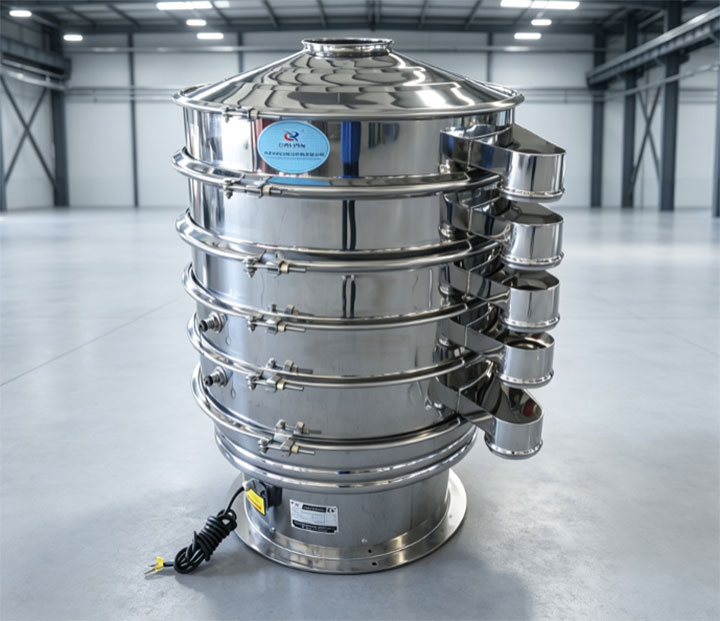
For food processing vibrating screens, mirror polishing (with a surface roughness of Ra ≤ 0.4 μm) is significantly easier to clean than a bead-blasted surface. Bead blasting creates a micro-pitted texture that tends to trap bacteria and sticky food powders; in contrast, mirror polishing removes microscopic surface peaks and craters, thereby shortening Clean-In-Place (CIP) cycles, preventing biofilm formation, and ensuring full compliance with FDA and 3-A sanitary standards.
What Is the Difference Between Mirror Polish and Bead Blasting?
When evaluating surface finishes for a food processing vibrating screen, understanding the manufacturing mechanics is critical. Neither finish is a surface coating; instead, both are physical treatments applied to stainless steel (typically SS304 or SS316L).
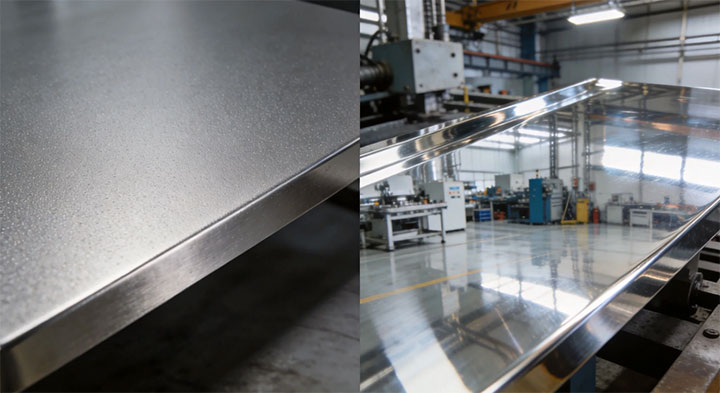
Bead Blasting (Matte / Satin Finish)
Bead blasting is a mechanical surface treatment where high-velocity compressed air propels millions of tiny spherical media—usually glass beads or ceramic particles—against the stainless steel.
- Visual Appearance: A uniform, non-reflective, matte grey or satin appearance.
- Primary Industrial Purpose: To remove heat discoloration from welding, eliminate surface stress, and provide a uniform cosmetic look that hides external scratches.
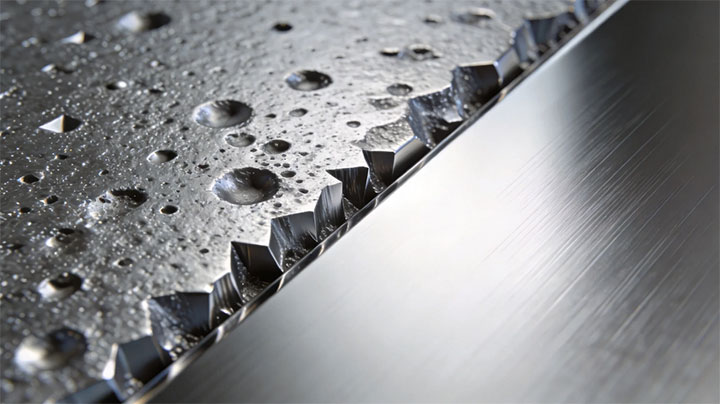
- Microscopic Profile: Under a microscope, bead blasting resembles a lunar landscape filled with millions of tiny, micro-sized craters and pits.
Mirror Polishing & Electropolishing (High-Sanitary Finish)
Mirror polishing is a progressive mechanical grinding process using increasingly fine abrasives, frequently finalized with electropolishing (an electrochemical bath that microscopically dissolves peaks).
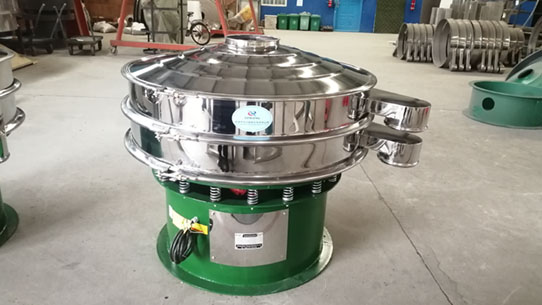
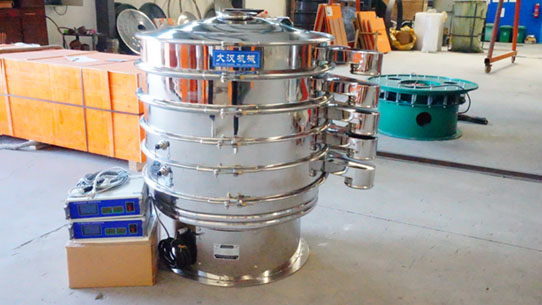
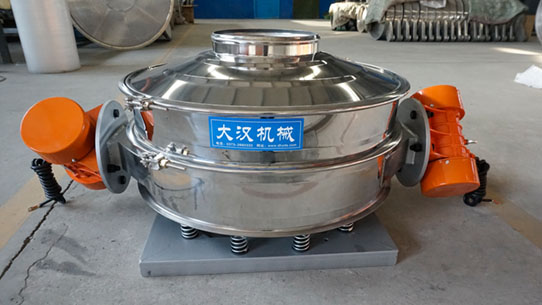
- Visual Appearance: A highly reflective, mirror-like surface with near-zero visible texture.
- Primary Industrial Purpose: To remove surface cavities, minimize friction, and create an ultra-flat barrier against microbial colonization.
- Micro-Profile: The surface profile is flattened significantly, replacing jagged peaks with smooth, rounded contours that offer almost no physical anchor points for organic matter.
Surface Roughness (Ra) and Cleanability: A Microscopic Comparison
In food safety engineering, cleanability is not judged by how a surface looks to the naked eye, but by its Surface Roughness (Ra)—measured in micrometers (μm) or microinches (μin). Ra represents the arithmetic average of microscopic peaks and valleys across the metal profile.When dealing with sticky food powders (such as starch, whey powder, or spices) and liquid washes, the microscopic topography dictates whether soils and microbes wash away easily or anchor permanently.
Surface Finish vs. Cleanability Matrix
| Feature / Metric | Bead Blasted Finish | Mechanical Mirror Polish | Electropolished Mirror Finish |
|---|---|---|---|
| Typical Surface Roughness (Ra) | 0.8 μm to 1.6 μm (32-64 μin) | 0.2 μm to 0.4 μm (8-16 μin) | < 0.15 μm (< 6 μin) |
| Microscopic Profile | Cratered and pitted with jagged edges | Flat with minor, shallow sanding lines | Extremely flat with completely rounded micro-peaks |
| Bacterial Adhesion Risk | High (Traps micro-particles < 2 μm) | Very Low | Extremely Low |
| Required Cleaning Method | Manual Scrubbing (COP) / High Pressure | Standard CIP / Automatic Washdown | Fast CIP & Minimum Water Usage |
| Sanitary Compliance Grade | Non-contact structural zones only | FDA / 3-A Standard | 3-A / EHEDG / Infant Formula Grade |
3 Reasons Why Mirror Polish Is Mandatory for Food-Contact Zones
For equipment manufacturers and quality assurance managers dealing with food processing vibrating screens, relying on a bead-blasted interior for product-contact zones creates severe operational and compliance risks. Here are the three primary reasons why mirror polishing (Ra ≤ 0.4 μm) is mandatory:
Prevention of Biofilm Formation and Pathogen Colonization
Common foodborne pathogens such as Listeria monocytogenes, Salmonella, and E. coli range in size from 0.5 μm to 2.0 μm.
- The Bead Blasting Flaw: A bead-blasted surface (Ra ≥ 0.8 μm) features microscopic craters and jagged pits that are larger than these bacteria. Microbes easily settle into these cavities, shielding themselves from chemical sanitizers and rapidly forming biofilms.
- The Mirror Polish Advantage: An ultra-smooth mirror or electropolished finish (Ra ≤ 0.4 μm) leaves surface imperfections smaller than the bacteria themselves. Without physical anchor points, pathogens cannot colonize, dramatically reducing the risk of contamination during audits.
Preventing Powder Adhesion and Product Bridging
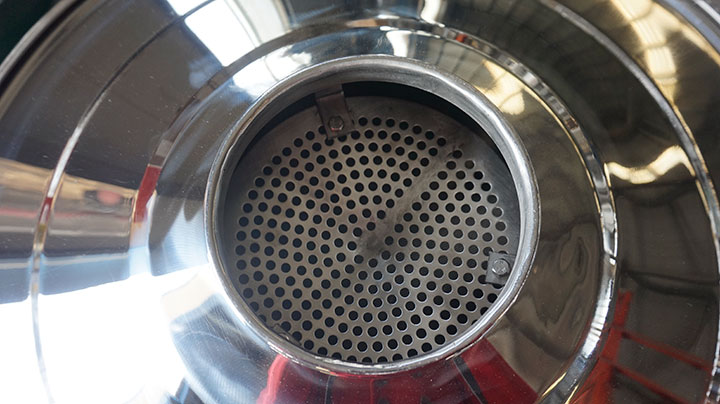
Hygroscopic and sticky food ingredients—such as milk powder, spice blends, starch, and icing sugar—tend to absorb moisture and cling to rough surfaces.
- On a bead-blasted screen interior, powder particles wedge into the matte texture, leading to material buildup (bridging) around the screen deck frame and discharge outlets. This causes cross-contamination risks during batch changeovers.
- On a mirror-polished vibrating screen, the drastically reduced friction coefficient allows fine powders to slide freely toward the discharge spouts, maximizing screening efficiency and product recovery rates.
Reduced CIP Washdown Time and Chemical Consumption
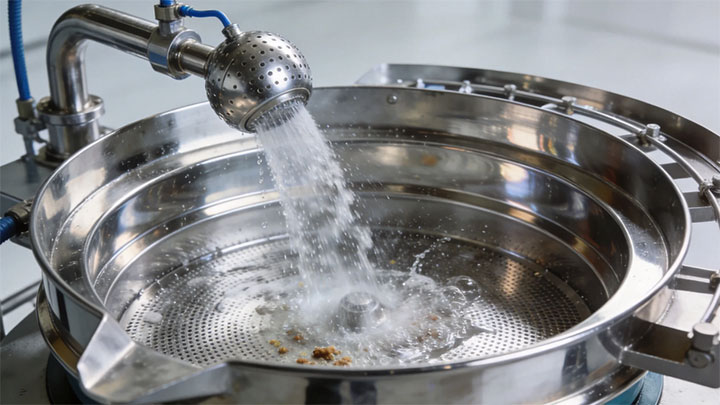
Clean-In-Place (CIP) efficiency directly impacts factory throughput and utility overhead:
- Bead-blasted systems require prolonged rinse cycles, higher water pressure, and aggressive caustic detergents to flush organic residues out of micro-pits.
- Mirror-polished surfaces allow spray balls and cleaning fluids to sweep away food soils instantly. Plants upgrading to mirror-polished screening decks frequently report up to 25% to 30% savings in washdown water and chemical consumption.
Where Is Bead Blasting Acceptable in a Food Processing Line?
While Mirror Polishing is mandatory for product-contact areas, bead blasting still has a legitimate and practical place in food equipment manufacturing.To balance strict sanitary compliance with reasonable manufacturing and maintenance costs, food processing lines generally divide equipment into two distinct zones:
Product-Contact Zones (Internal Surfaces) — Mirror Polish Mandatory
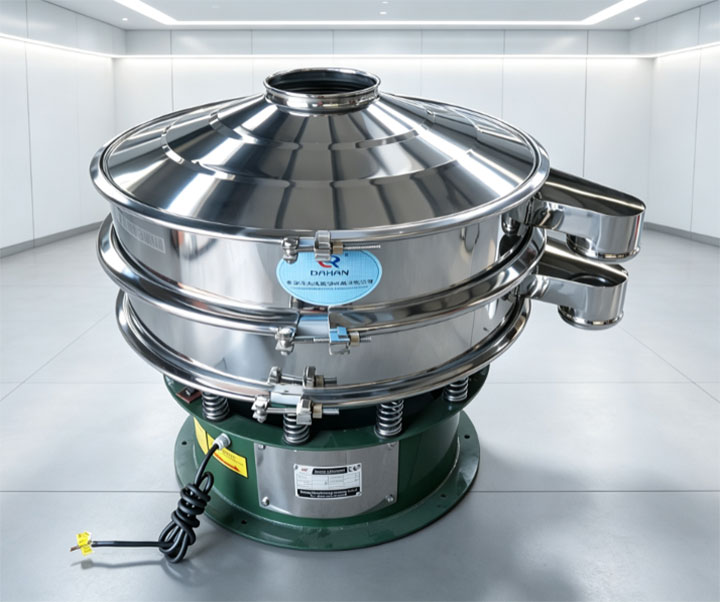
What it includes: The screen mesh, internal screen frame, screen box interior walls, feed inlets, and discharge spouts that come into direct contact with food ingredients.
Surface Requirement: Must be mirror polished (Ra ≤ 0.4 μm) or electropolished. Using bead blasting here introduces unacceptable bacterial and cross-contamination risks.
Non-Contact Zones (External Surfaces) — Bead Blasting Recommended
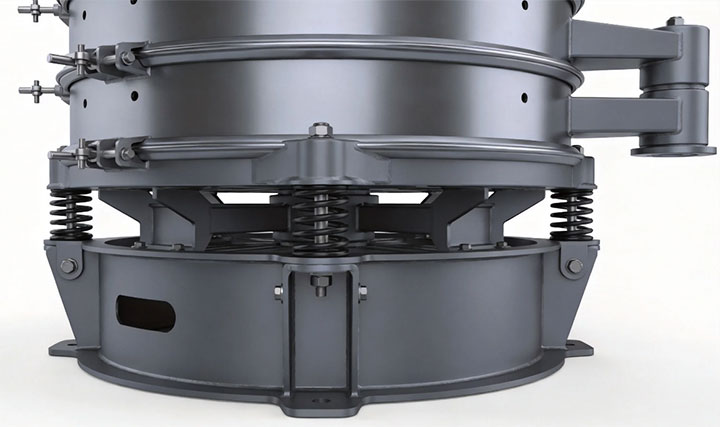
What it includes: The external motor housing, support base, spring brackets, and outer frame structures.
Surface Requirement: Bead blasting is ideal here.
Why Bead Blasting Wins Externally:
- A matte or satin bead-blasted finish does not reflect harsh factory lighting, reducing operator eye strain.
- It effectively hides fingerprints, minor scuffs, and external cosmetic wear over years of plant operation.
- It provides a uniform aesthetic while lowering initial equipment manufacturing costs without compromising food safety.
Final Engineering Verdict & Equipment Selection Advice
When designing or upgrading a food processing vibrating screen, cutting corners on surface finishes for initial cost savings is a false economy. While bead blasting provides an attractive exterior look, applying it to internal product-contact zones invites bacterial growth, product buildup, and audit failures that far outweigh any upfront savings.
Summary Selection Checklist for Engineers:
- For Wet, Sticky, or Dairy Powders (Infant Formula, Starch, Spices): Always specify mechanical mirror polish finished with electropolishing (Ra ≤ 0.4 μm).
- For External Structural Frames & Motor Housings: Utilize fine glass or ceramic bead blasting to hide scuffs and minimize glare.
Looking to upgrade your food powder line? Explore our Food Processing Vibrating Screen solutions built with sanitary 316L stainless steel, quick-release clamps, and ultra-smooth mirror-polished contact surfaces.
Frequently Asked Questions (FAQ)
Can bead blasting replace mirror polish in food-contact zones?
No. Bead blasting creates microscopic craters that trap bacteria and powder, whereas mirror polishing (Ra ≤ 0.4 μm) provides a smooth surface required for easy CIP cleaning and hygiene compliance.
What is the main cost difference between the two finishes?
Mirror polishing requires intensive labor, making it significantly more expensive than bead blasting; however, it prevents costly downtime and contamination risks in food processing.
Where is bead blasting acceptable on a vibrating screen?
Bead blasting is ideal only for non-contact external structures (like motor housings and support frames) to reduce glare and hide scuffs, while product-contact zones must be mirror polished.