Single-Deck vs Multi-Deck Vibro Sifter: Capacity & Mesh Compare
Tuesday July-07 2026 15:53:40
Selecting the right sifting equipment is a critical decision that directly impacts your processing efficiency, product purity, and overall plant ROI. When scaling up a production line, process engineers frequently face a core dilemma: Single-Deck vs. Multi-Deck Vibro Sifter.
While both rely on 3D vibratory motion to separate materials, their operational dynamics, spatial requirements, and grading capabilities are vastly different.
This deep-dive technical comparison breaks down the exact trade-offs between single and multi-deck configurations based on field-tested data, helping you invest in the precise setup your production line demands.
Technical Overview: The Core Structural Differences
Before analyzing performance metrics, we must establish the mechanical distinction between these two configurations:
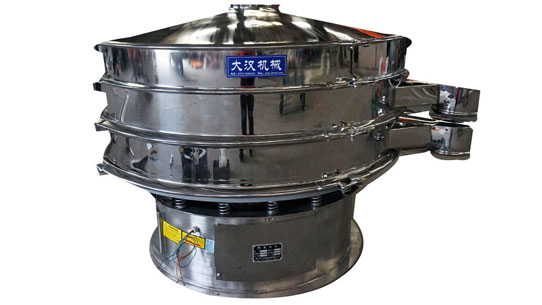
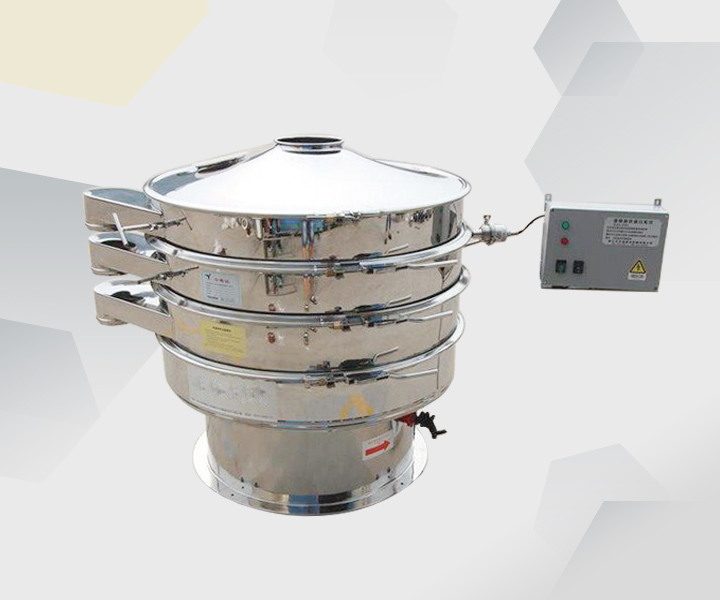
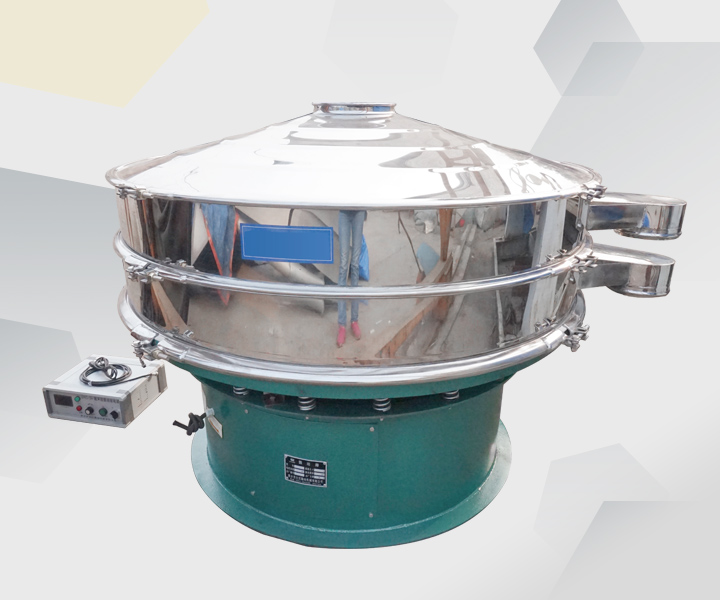
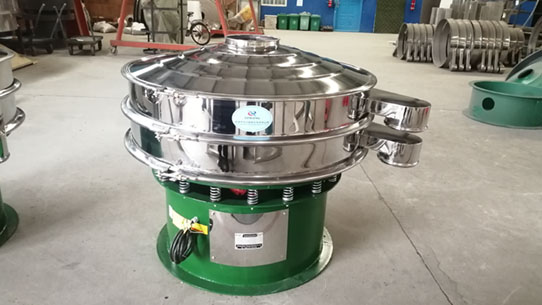
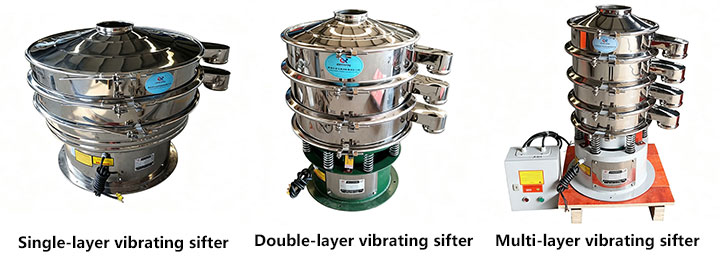
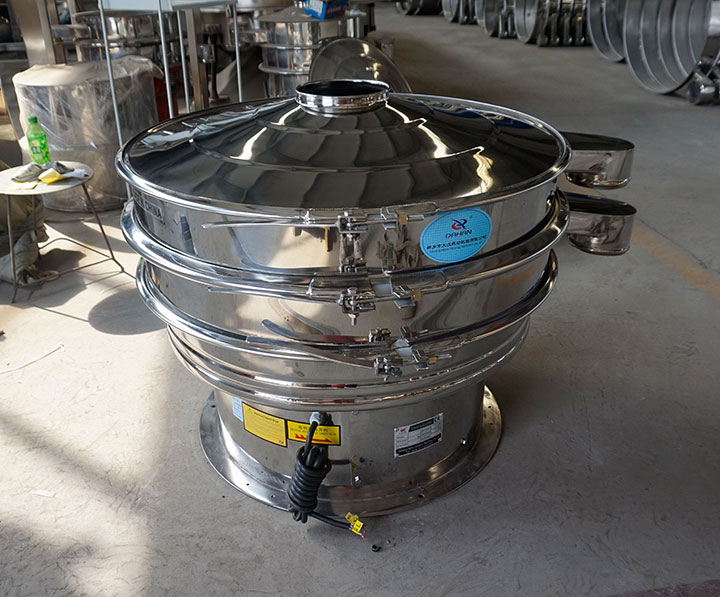
Single-Deck Vibro Sifter: Features one screen mesh layer, dividing the material into two distinct fractions: Oversize (particles larger than the mesh) and Undersize (particles that pass through). It is engineered for scalping, safety screening, and simple delumping.
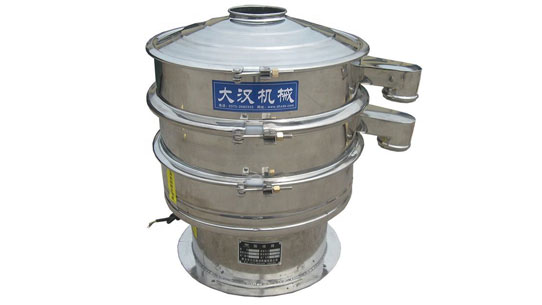
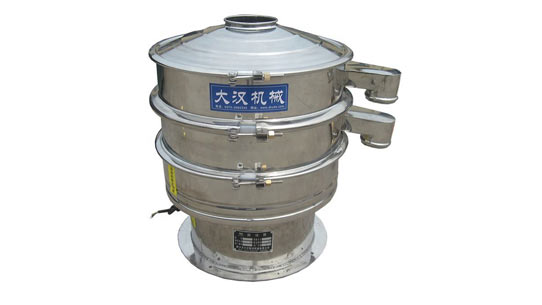
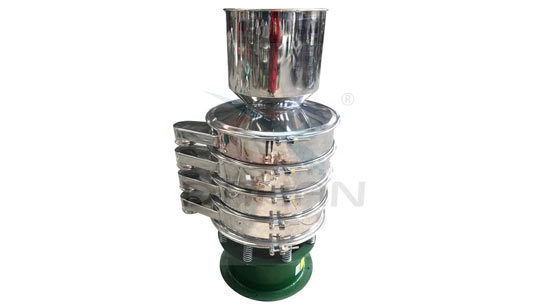
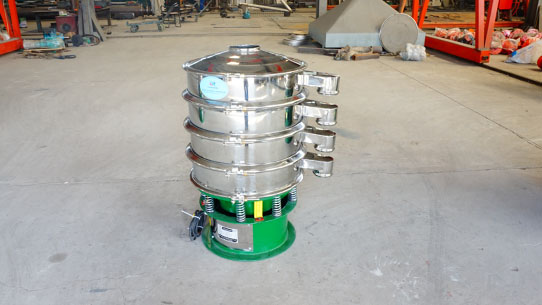
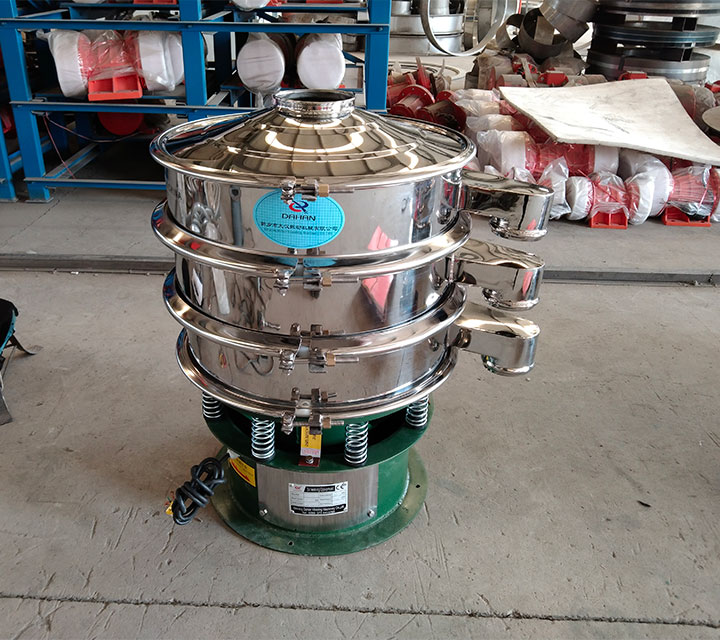
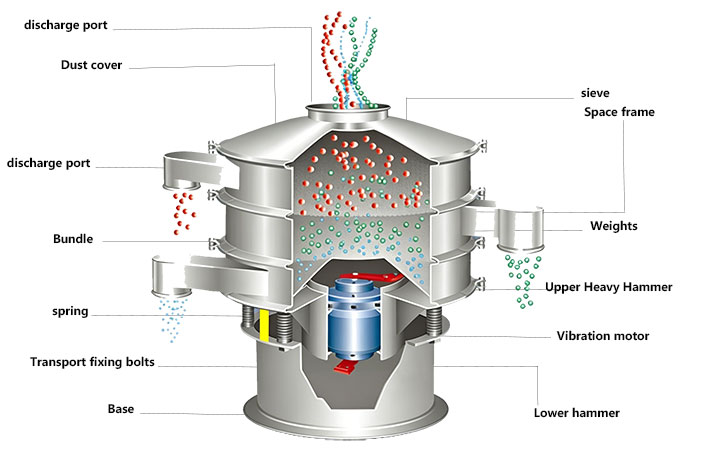
Multi-Deck Vibro Sifter: Utilizes a stacked arrangement of two to four screen decks with progressively smaller mesh openings from top to bottom. It fractions material into three to five precise sizes simultaneously, discharging each through dedicated spouts.
A common mistake is purchasing a multi-deck system "just in case" you need grading later. If your primary goal is high-throughput safety scalping, additional decks increase flow resistance and dead-weight, actually reducing your primary screening speed.
Comparison: Capacity, Mesh Size, and Footprint
To help procurement and technical teams evaluate options, the following matrix compares these two sifter types across critical factory operation variables:
| Operational Metric | Single-Deck Vibro Sifter | Multi-Deck Vibro Sifter (2-4 Decks) |
|---|---|---|
| Primary Function | Safety scalping, check screening, dedusting | Precise material fractioning and particle grading |
| Throughput Capacity | Maximum flow rate per square meter of mesh | Lower cumulative throughput; upper decks limit lower deck feed rates |
| Mesh Size Flexibility | Single mesh size; quick replacement (<5 mins) | Multiple mesh sizes stacked; complex cleaning and replacement |
| Material Blinding Risk | Lower; easier to fit with standard anti-blinding balls | Higher on lower decks; requires advanced ultrasonic de-blinding |
| Vertical Footprint | Low profile; fits easily under low-headroom silos | Tall configuration; requires high-vertical clearance or hoists |
| Floor Space Footprint | Compact floor area (e.g., φ600mm to φ1500mm) | Same diameter footprint as single-deck, but uses vertical cube |
| Energy Consumption | Highly efficient; optimized for standard motor kW | Higher load; requires heavy-duty vibratory motors |
Throughput Capacity & Sifting Dynamics
From an engineering perspective, the actual physics of throughput and material behavior dictate which configuration will maximize your ROI. Let's look at the data.
The Scalping Advantage of Single-Deck Systems
When your production line requires "check screening" (removing large contaminants, plastic tags, or clumps from raw flour, pharmaceutical powders, or chemicals), a single-deck vibro sifter is unbeatable. Because the material immediately exits the oversized spout or drops through, the deck handles extreme volume without choking. The gravity feed is direct, and retention time on the screen is minimal.
The Fractional Bottleneck of Multi-Deck Systems
In contrast, a multi-deck sifter divides the feed energy. As material drops from Deck 1 (e.g., 20 mesh) to Deck 2 (e.g., 60 mesh) and Deck 3 (e.g., 120 mesh), the volume of fine powder reaching the lower levels decreases, but the risk of screen blinding (clogging) increases exponentially. If your lower deck mesh is very fine (<150 microns), it acts as a throttle, forcing you to slow down the entire production line's feed rate to prevent overflow on the bottom deck.
Mesh Size Strategy and Particle Size Distribution (PSD)
Your choice depends entirely on your Quality Assurance (QA) targets and your material’s Particle Size Distribution curve.
When to Deploy a Single-Deck Sifter
Targeting One Variable: You only care about removing "+60 mesh" particles before packaging.
High-Frequency Washdowns: In food-grade or sanitary pharma applications where you change products daily, a single-deck system reduces cleaning downtime by 70% compared to multi-deck stacks.
When a Multi-Deck Sifter is Non-Negotiable
Accurate Grading: Necessary for industries like ceramic powder processing, catalyst manufacturing, or plastics, where the final product is sold in distinct grades (e.g., Coarse, Medium, Fine).
Resource Extraction & Recycling: Separating valuable regrind material into strict sizing tiers to maximize commodity resale value.
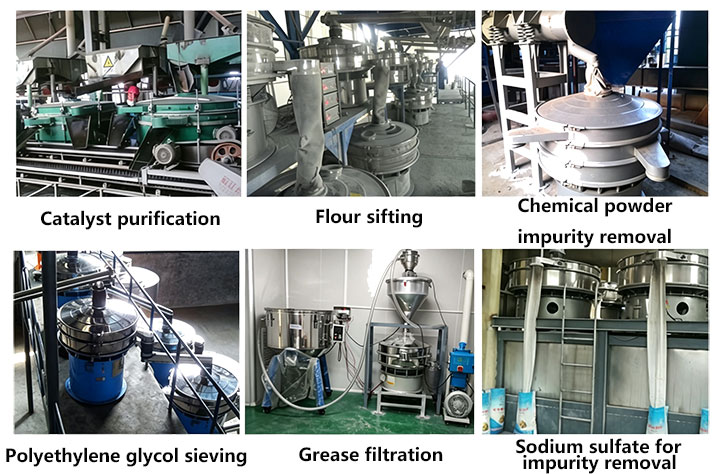
Spatial Blueprint: Vertical vs. Horizontal Footprint
Floor space is premium factory real estate. The physical layout of your facility may make the choice for you.
Both single and multi-deck sifters share the same base diameter (standard industrial models range from 600mm to 1500mm or 2000mm). However, a 3-deck sifter can easily stand 1.5 to 1.8 meters tall. If you are integrating the machine directly under a discharge hopper, rotary valve, or spray dryer, a multi-deck sifter often won't fit without costly modifications to your plant infrastructure.
Conversely, low-profile single-deck sifters are designed specifically to slot into existing gravity-fed vacuum piping lines or low-clearance discharge platforms.
Final Decision Framework for Plant Engineers
To conclude, use this 3-step checklist to finalize your vibro sifter procurement strategy:
Count Your Fractions: Do you need to separate your material into 2 products or 3+ products? If it's only 2, always buy a single-deck for higher efficiency and lower maintenance costs.
Measure Your Headroom: Calculate the exact distance between your feeding mechanism and your receiving vessel. Ensure you have at least 500mm of clearance above a multi-deck stack for lifting the decks during screen replacements.
Evaluate Material Stickiness: If your fine particles are prone to static or moisture agglomeration, lower decks in a multi-deck stack will blind rapidly. Budget for an ultrasonic de-blinding system if you choose the multi-deck path.