Solving Blinding & Iron Contamination in Battery Material Screening: A Engineering Review
Saturday July-11 2026 15:00:31
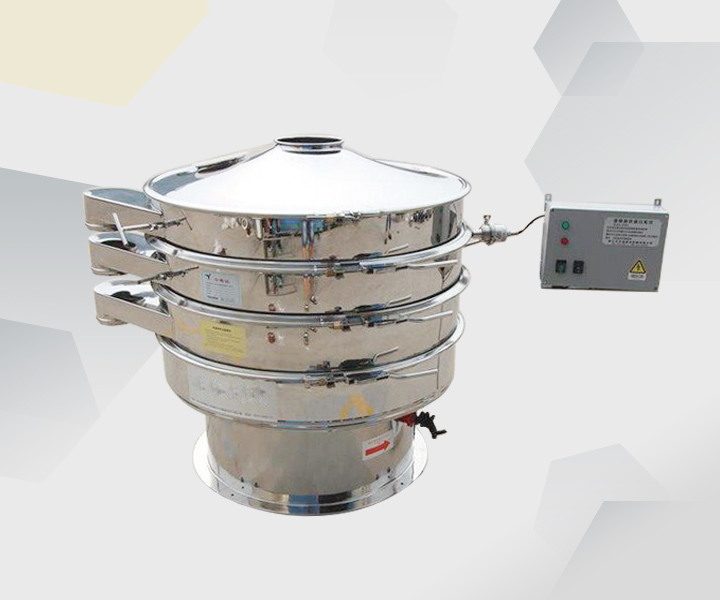
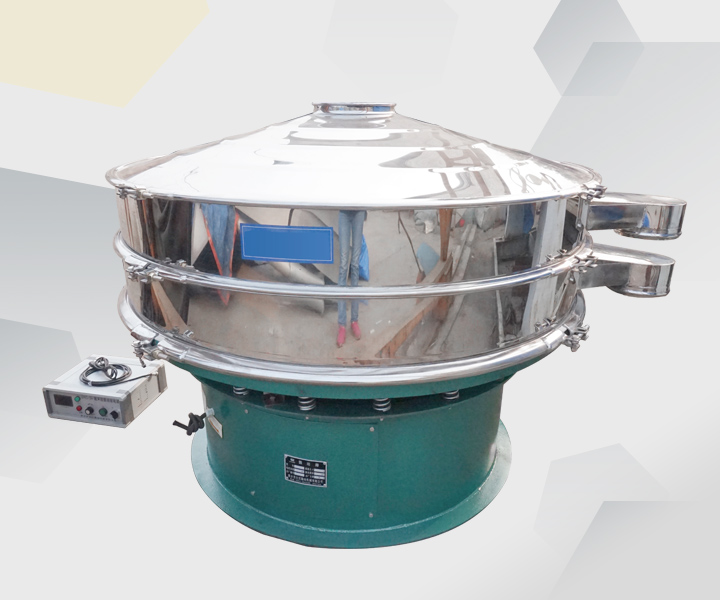
When processing ultra-fine cathode and anode powders, traditional industrial sieves always fail. For battery-grade manufacturing, the challenge isn't just grading the particles—it is maintaining pure material integrity while handling extreme powder behavior. Achieving high throughput without degrading the premium quality of the batch requires a specialized battery material vibrating screen.
This review analyzes the root causes of production bottlenecks and how advanced engineering solves them.
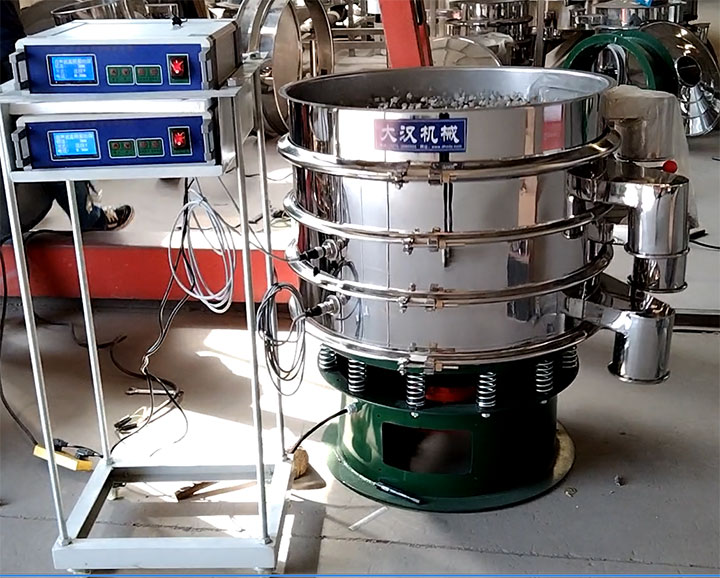
The Root Causes of Mesh Blinding in Ultra-Fine Battery Powder Processing
Mesh blinding is the most persistent enemy of battery powder yield. When dealing with micron-level or nano-level materials like Lithium Iron Phosphate (LFP) or Nickel-Cobalt-Manganese (NCM) precursors, standard gravity-and-vibration methods quickly lead to screen clogging. This happens due to three distinct physical phenomena:
Electrostatic Agglomeration:High-speed friction during material handling generates massive static charges. The ultra-fine particles bind together, forming clusters that are too large to pass through the mesh, quickly sealing the openings.
Moisture Absorption & Caking:Many cathode materials are highly hygroscopic. Even minor exposure to ambient humidity causes the powder to agglomerate and form a sticky paste on the wire cloth.
Irregular Particle Lodging:Battery materials often have complex, non-spherical morphologies. Particles with diameters near the mesh aperture size easily wedge themselves into the openings, causing mechanical pegging.
Without an advanced fluidization or ultrasonic anti-blinding mechanism, mechanical vibration alone will compress these blocked particles further, stopping production completely and reducing your plant's hourly yield.
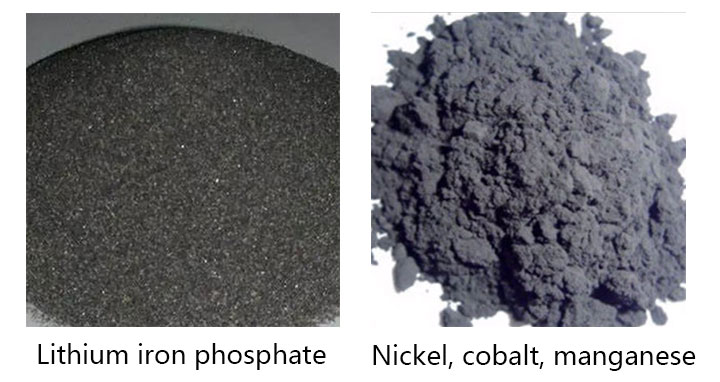
Iron Contamination Risk: Where Metallic Impurities Form in Standard Sieving
In the lithium-ion battery supply chain, metallic contamination—specifically free iron (Fe), copper (Cu), and nickel (Ni)—is a catastrophic risk. If these micro-particles pass into the final slurry, they migrate during battery cycling, forming metallic dendrites that pierce the separator, causing short circuits and thermal runaway.
Standard industrial sieves introduce high contamination risks through three hidden zones:
Metal-to-Metal Friction:The violent oscillation of a standard sieve causes friction between the stainless steel mesh cloth and the heavy clamping rings, shaving off micro-level metal dust.
Weld Seam Erosion:Standard vibrating screen decks utilize exposed weld beads. The abrasive nature of battery powders (especially hard anode materials or un-milled precursors) erodes these welds over time.
Carbon Steel Drive Components:Even if the screen chamber is stainless steel, the underlying drive frames or counterweights are often painted carbon steel. Flaking paint and rust particles can easily enter the product stream via airborne dust.
To pass the rigorous PPb-level (parts per billion) magnetic impurity audits required by Tier-1 battery cell manufacturers, global processors are increasingly transitioning from standard off-the-shelf sieves to dedicated, non-metallic contact units. In modern cell manufacturing, even a 50mg/ton iron slip can invalidate an entire batch.
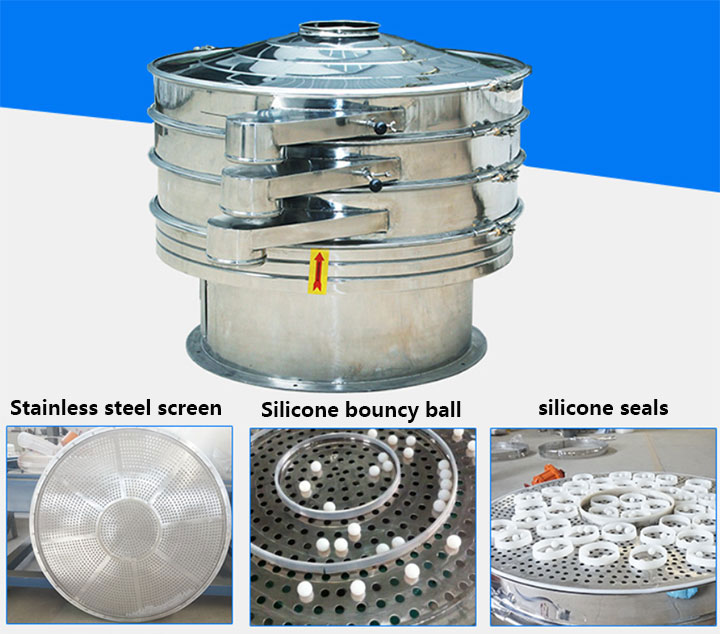
Key Engineering Specifications of an Advanced Battery Material Vibrating Screen
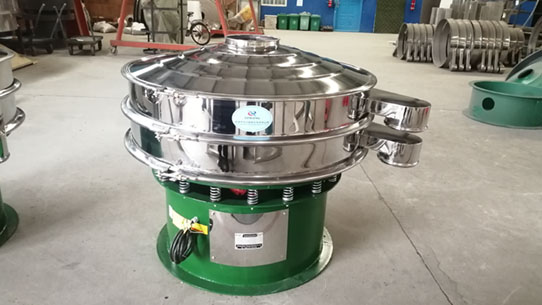
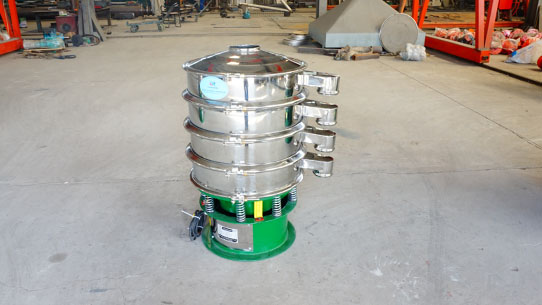
To effectively mitigate the dual bottlenecks of clogging and contamination, a modern battery material vibrating screen is systematically designed with advanced isolation and fluidization technologies.
100% Non-Metallic Product Contact Zones:To isolate the material from metal friction, all internal surfaces—including the inner sieve deck, inlet/outlet chutes, and dome covers—are fully lined with a 3mm-to-5mm continuous thermal-sprayed layer of wear-resistant polymers or advanced coatings such as Ultra-High-Molecular-Weight Polyethylene (UHMW-PE), Polyurethane (PU), or Polytetrafluoroethylene (PTFE).
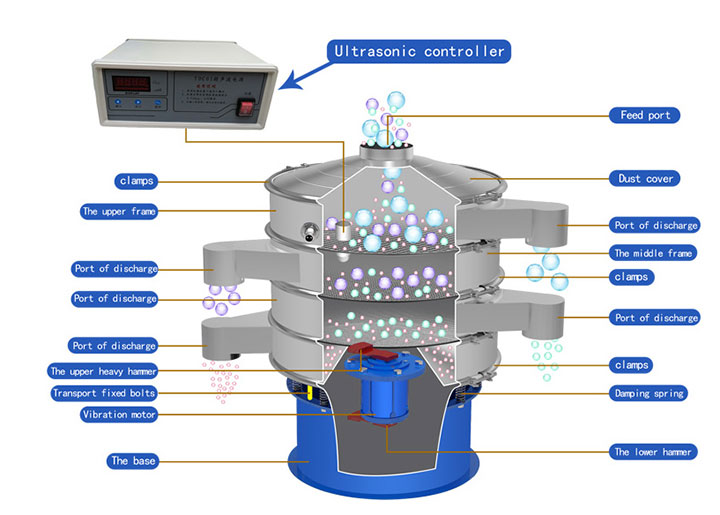
Ultrasonic Sieve Transducers:Instead of relying solely on low-frequency mechanical eccentric weights, these machines integrate high-frequency ultrasonic transducers. This converts electrical energy into micro-vibrations across the mesh wire, breaking electrostatic bonds and keeping ultra-fine powders fluidized.
Hermetic Gas-Tight Sealing with Nitrogen Purging:To handle hygroscopic and hazardous powders, the entire structure utilizes precision machined O-rings (typically Viton or pharmaceutical-grade silicone) and gas-tight quick-release clamps. This allows the system to operate under a positive pressure inert gas (N2or Ar) blanket, blocking both moisture and atmospheric contamination.
Optimization Checklist: Matching Sieve Technologies with Cathode & Anode Materials
Not all battery powders behave the same way. A generic setup will either underperform or cause premature mesh wear. The table below details how advanced screen configurations match specific material properties:
| Material Group | Common Types | Primary Challenge | Recommended Sieve Configuration |
| Cathode Materials | LFP, NCM, CoO | High density, extreme hygroscopicity, severe static | Ultrasonic Rotary Screen + Full Polyurethane (PU) lining + Nitrogen (N2) purge system |
| Anode Materials | Synthetic Graphite, Silicon-Carbon | High abrasiveness, low bulk density, easy to float | Airflow Sieve or Heavy-Duty Tumbler Screen + Ceramic-coated mesh frame + Dust-free negative pressure connection |
| Raw Materials | Lithium Carbonate, Lithium Hydroxide | Agglomeration in large chunks, high incoming volume | Direct Discharge Sieve + Food/Battery-grade SS316L (polished to <0.4μm) + Quick-clean mesh tensioner |
Achieving an operational "zero-contamination" environment and maintaining a continuous, non-blinding production line requires more than buying a standard catalog machine. It requires precise system integration that adapts to your plant's layout, material flow rate, and upstream/downstream automation.
At this engineering stage, selecting the wrong screen setup can cost months of downtime and rejected batches. To prevent these operational losses, our engineering team provides complimentary technical consultations to help you configure the optimal system.
Because a generic quotation is meaningless for customized battery lines, our engineering desk evaluates each case based on exact metrics. To get a tailored technical GA drawing and a verified budgetary quotation within 24 hours, please prepare the following parameters for our team:
Material Specification: (e.g., LFP precursor, D50/D90 particle size distribution).
Target Mesh Size: (The precise micron or mesh count required for your quality control).
Throughput Requirements: (Target output in kg/hour or tons/day).
Installation Environment: (Gravity feeding, pneumatic conveying, or hazardous/explosion-proof zone requirements).
Contact our application engineers today to bridge the gap between high product purity and maximum manufacturing yield.